More than 500 people have been killed in Iran’s nationwide anti-government protests, a US-based Iranian human rights group said on Sunday, as tensions escalated between Tehran and Washington over possible foreign intervention.
The Human Rights Activists News Agency (HRANA) said it had confirmed the deaths of 490 protesters and 48 members of the security forces, adding that more than 10,600 people had been arrested over the past two weeks. The protests entered their 16th day on Sunday.
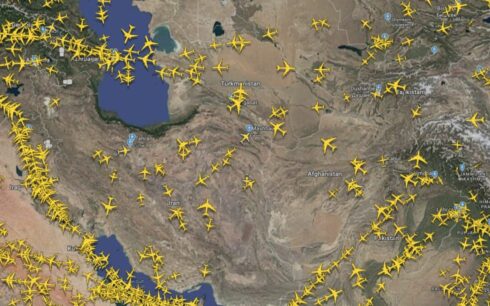
Iranian authorities have not released official casualty figures and have imposed a near-total internet blackout since Thursday, severely restricting the flow of information from inside the country.
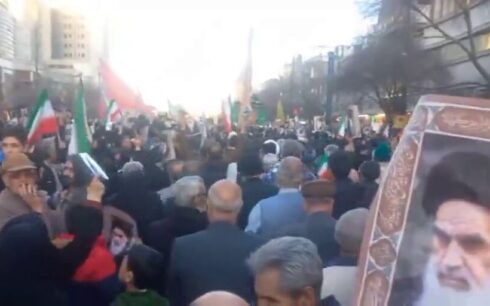
The unrest began on Dec. 28 after sharp price increases and the collapse of the rial triggered protests in Tehran’s Grand Bazaar, before spreading nationwide and evolving into broader opposition to Iran’s clerical leadership, in power since the 1979 Islamic Revolution.
Iran has warned the United States against intervening. Parliament Speaker Mohammad Baqer Qalibaf said Tehran would target US military bases and vessels in the region if Washington carried out military action.
“Let it be clear: in the event of an attack on Iran, the occupied territories (Israel), as well as all US bases and ships, will be legitimate targets,” Qalibaf said.
US President Donald Trump has repeatedly warned of possible action if Iranian authorities use force against protesters. A US official told Reuters that Trump is expected to meet senior advisers on Tuesday to discuss options on Iran.
The Wall Street Journal has reported that those options could include military strikes, covert cyber operations, expanded sanctions and providing online support to anti-government groups.
Speaking to reporters aboard Air Force One on Sunday, Trump said: “The military is looking at it, and we’re looking at some very strong options.”
Iranian state media has accused the United States and Israel of fomenting the unrest and called for nationwide rallies on Monday to condemn what it described as “US- and Israel-led terrorist actions”.
The prolonged internet shutdown has raised concern among rights groups. Trump said on Sunday he would speak to billionaire Elon Musk about restoring internet access in Iran via Musk’s satellite service, Starlink.