Taliban officials made 99 foreign trips over the past year for economic, trade and diplomatic engagement, the Taliban chief spokesman said on Wednesday , despite many senior members remaining under United Nations sanctions that restrict travel and financial activity.
Zabihullah Mujahid said Russia formally recognised the Taliban administration during the year and that cabinet members travelled abroad to pursue what he described as improved diplomatic relations. Several senior Taliban leaders, including key cabinet members, remain subject to UN travel bans and asset freezes, though limited exemptions have at times been granted for diplomatic purposes.
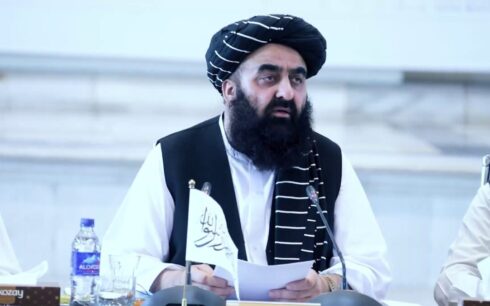
United Nations sanctions still apply to several senior Taliban figures, including their chief minister Hassan Akhund, their foreign minister Amir Khan Muttaqi and their interior minister Sirajuddin Haqqani.
In a separate report, the Taliban’s foreign ministry outlined what it described as its political “achievements” over the past year.
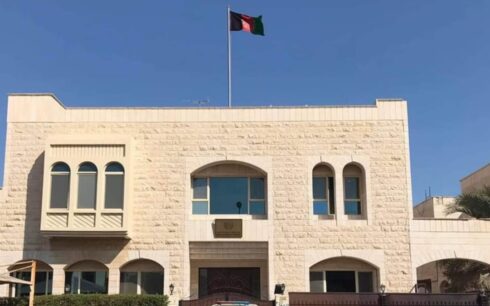
The list includes Russia’s recognition of the Taliban administration, the deployment of an ambassador to Moscow, overseas trips by senior officials, the signing of regional economic memorandums of understanding, the elevation of diplomatic relations between Afghanistan and Pakistan to ambassadorial level, the resumption of Afghan consular services in Bonn, Germany, and participation in international meetings attended by Taliban representatives.
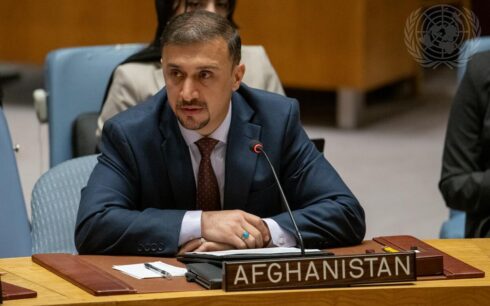
The Taliban have presented these developments as evidence of expanding foreign engagement, but the international community has continued to condition any formal recognition of the Taliban administration on significant policy changes, particularly in the area of human rights.
Mujahid said 2.8 million people returned to Afghanistan over the past year, without specifying from which countries. United Nations data show that about 2.6 million Afghans returned in 2025, most of them from neighbouring Pakistan and Iran, amid intensified crackdowns on undocumented migrants.
“The majority of returnees have been resettled, their return has been properly managed, and essential services have been provided,” Mujahid said, adding that land allocations for housing were underway.
However, returnees interviewed by Amu TV have complained of a lack of shelter, insufficient aid and limited job opportunities, underscoring the strain on Afghanistan’s fragile economy.
Mujahid also said Taliban authorities treated 35,228 people for drug addiction over the past year and rounded up 10,664 beggars in major cities, providing those deemed impoverished with a one-time cash payment of 2,000 afghanis ($30).
The figures come as Afghanistan’s economy remained unstable in 2025. The United Nations has estimated unemployment at up to 75%, with more than 90% of the population living below the poverty line.
Mujahid said Taliban security forces now number about 181,000 fighters, with police forces totaling more than 100,000.
International pressure on the Taliban has continued, particularly over human rights. Governments and UN officials have repeatedly urged the Taliban to reverse restrictions on women and girls, including bans on secondary and higher education for girls and prohibitions on women working for non-governmental organisations, including UN agencies.
The United Nations has consistently described Afghanistan’s human rights and humanitarian situation as critical, warning that continued restrictions on women and girls are worsening poverty, aid delivery and long-term economic prospects.