The United States has pledged $2 billion in humanitarian assistance to support tens of millions of people worldwide, but Afghanistan is not among the countries set to receive the funding.
The aid, announced by the US State Department, will be channelled through a new United Nations humanitarian financing mechanism and distributed via the UN Office for the Coordination of Humanitarian Affairs (OCHA).
Also not mentioned on the list are the Palestinian territories, which officials say will be covered by money stemming from Trump’s as-yet-incomplete Gaza peace plan, the AP report said.
US officials said Afghanistan and Yemen were excluded from the initial list of beneficiaries due to concerns that assistance could be diverted to Taliban authorities in Afghanistan and Houthi rebels in Yemen, according to the Associated Press.
US Secretary of State Marco Rubio said the new funding mechanism was designed to improve accountability and efficiency in humanitarian operations.
“The United States remains the most generous nation in the world for lifesaving humanitarian assistance—but under President Trump’s leadership taxpayer dollars will never fund waste, anti-Americanism, or inefficiency,” Robio said. “Today, the State Department and United Nations signed an agreement that radically reforms the way the US programs, funds, and oversees UN-administered humanitarian work, ensuring that more lives will be saved for fewer US taxpayer dollars.”
He added that “this new model will better share the burden of UN humanitarian work with other developed countries and will require the UN to cut bloat, remove duplication, and commit to powerful new impact, accountability and oversight mechanisms.”
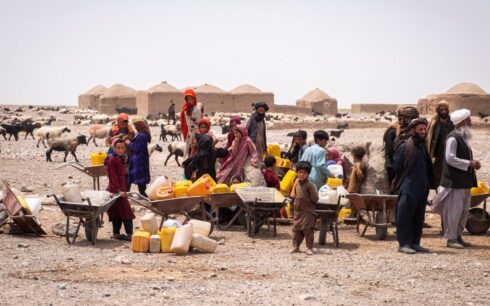
The decision comes as Afghanistan faces one of the world’s largest humanitarian crises. The United Nations has said that 21.9 million people — about 45% of the population — will need humanitarian assistance in 2026, driven by widespread poverty, food insecurity, climate shocks and large-scale returns of migrants from neighbouring countries.
UN humanitarian chief Tom Fletcher said the organisation would seek alternative funding sources to support populations excluded from the US package, including Afghans.
The United States was previously one of the largest donors of humanitarian aid to Afghanistan. However, funding has been sharply reduced under concerns that US assistance could indirectly benefit the Taliban, who returned to power in August 2021.
The UN has repeatedly warned that cuts in international aid risk worsening hunger, limiting access to healthcare and increasing maternal and child mortality, particularly among women and girls.
Afghan citizens and aid groups say ordinary people are bearing the brunt of political decisions, as humanitarian needs continue to rise amid economic collapse and restrictions imposed by the Taliban.