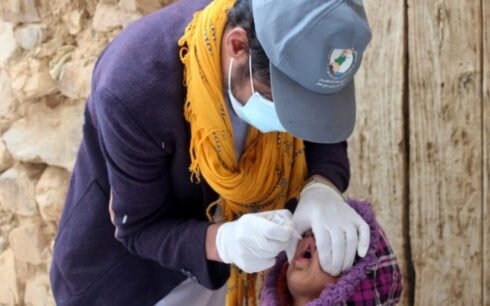
More than eight million children across Afghanistan have been vaccinated against measles during the second phase of a nationwide immunization campaign, UNICEF said on Wednesday, in what it described as a major step toward curbing a persistent threat to child health.
The 10-day campaign, which concluded earlier this month, targeted children between the ages of 6 months and 10 years in 17 provinces classified as hot-climate regions. According to UNICEF, the World Health Organization (WHO), and Gavi, the Vaccine Alliance, the effort reached over 8.35 million children, covering 91.7 percent of the more than 9 million children identified as at risk.
The campaign also provided oral polio vaccines to nearly 4 million children under the age of 10 in six southern and southeastern provinces, part of a parallel initiative to bolster routine immunization coverage in regions where access to health care remains limited.
The effort builds on the first phase of the campaign, which was completed in October and covered an additional 8.3 million children in 17 cold-climate provinces. In total, more than 16.6 million Afghan children have now received measles vaccines across all 34 provinces, according to UNICEF and WHO officials.
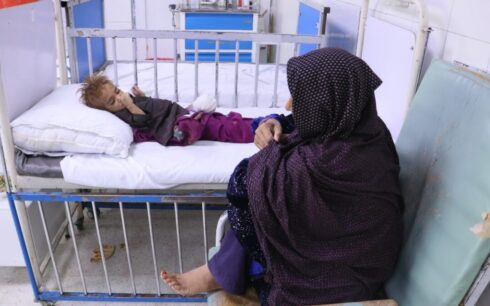
The measles drive was launched in response to repeated outbreaks and alarmingly low routine immunization rates. According to the Afghanistan Multiple Indicator Cluster Survey (2022–2023), only 51 percent of children had received a first dose of the measles vaccine, and just 37 percent had received a second dose—far below global targets for measles control.
“Reaching 91.7 percent of the target children is a major achievement,” said Dr. Edwin Ceniza Salvador, WHO Representative in Afghanistan. “But our work continues, especially in the hardest-to-reach areas. We must close immunity gaps and ensure that no child is left behind.”
UNICEF officials credited the campaign’s success to the collaboration between local health workers, community members and authorities.
“This marks another important step in protecting Afghanistan’s children from a disease that should never cost a young life,” said Dr. Tajudeen Oyewale, UNICEF Representative in Afghanistan. “This was only possible because families, health workers, and partners came together with one purpose: to keep children safe.”
UNICEF and WHO said they would continue supporting efforts to strengthen Afghanistan’s routine immunization system, which remains underfunded and vulnerable to political and logistical disruptions. Health officials warned that despite the campaign’s high coverage, millions of children remain at risk if routine vaccination systems are not reinforced.