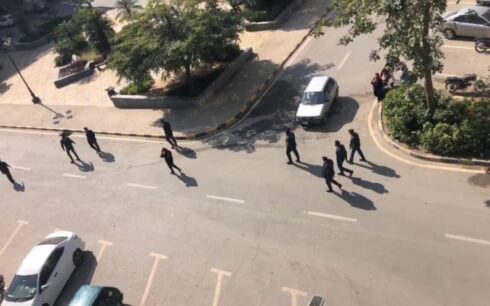
Iranian police have detained more than 230 Afghan migrants in the southeastern province of Sistan and Baluchestan, officials said, as part of a broader crackdown on foreign nationals lacking legal residency.
According to Iranian state media, Hossein Mirsoofi, police chief of the Nimruz district, said the arrests were made in the districts of Nimruz and Zahak, near the border with Afghanistan. The individuals were described by Iranian authorities as “unauthorized foreign nationals.”
The arrests took place under what Iranian officials call a “Social Security Enhancement Plan” — a police initiative that has included arrests not only of undocumented migrants, but also of individuals accused of theft and drug-related offenses. In the same operation, five people were detained for alleged theft and 13 others for drug use or trafficking, Mirsoofi said.
Authorities also reported the confiscation of 13 vehicles during the raids, which were allegedly used to transport undocumented individuals.
The crackdown comes amid heightened tensions in the region. Since Iran’s 12-day conflict with Israel earlier this year, Tehran has intensified efforts to arrest and deport Afghan migrants, thousands of whom have been expelled in recent weeks. Many of those deported include families, women and children, often with little notice or opportunity to settle their affairs.
International human rights organizations and the United Nations have condemned the expulsions, describing them as a violation of international obligations toward refugees and asylum seekers. Activists have warned that deportations under such conditions place vulnerable populations at increased risk and undermine humanitarian protections.
Despite international criticism, Iran has shown no indication it will reverse course. Rights advocates say the current policy violates fundamental human rights and international norms on the treatment of migrants.
Iran hosts one of the largest populations of Afghan migrants in the world — including both documented refugees and those without legal status — a legacy of decades of war and instability in Afghanistan. In recent years, rising economic hardship and domestic political pressure have fueled anti-immigrant sentiment and prompted stricter enforcement measures by Iranian authorities.