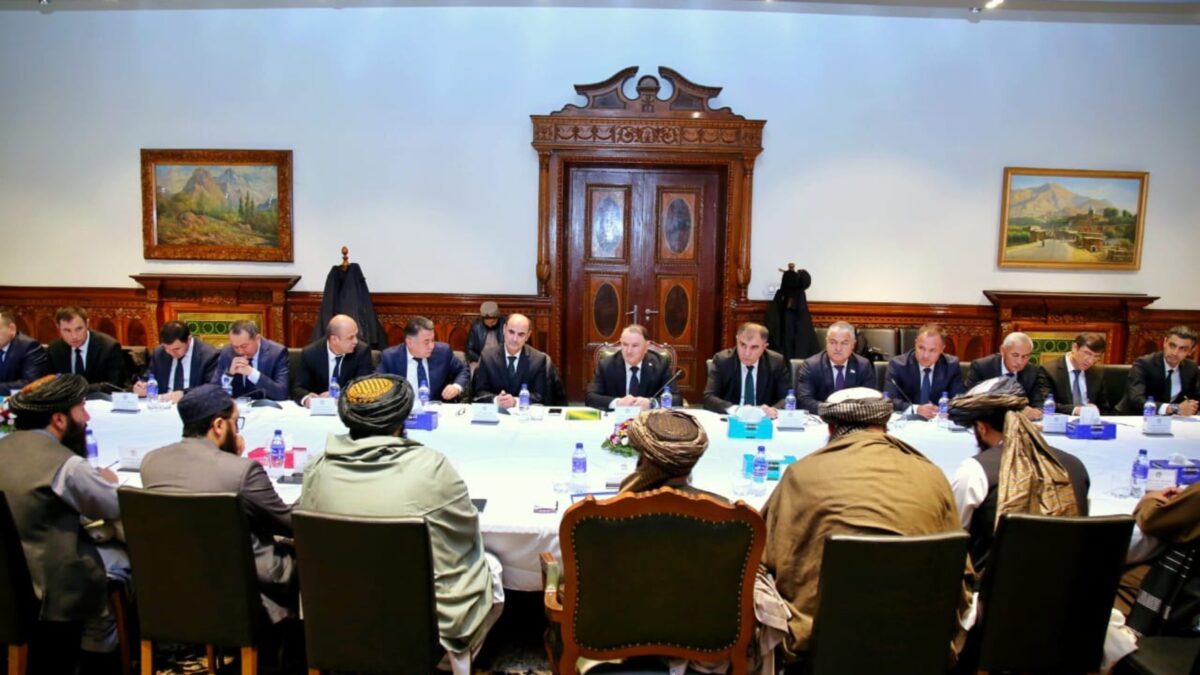
Tajikistan’s 14-member delegation, which has been in Kabul for the past four days, has held meetings with Taliban chief minister Mohammad Hassan Akhund and their intelligence chief, Abdulhaq Wasiq, sources confirmed on Tuesday.
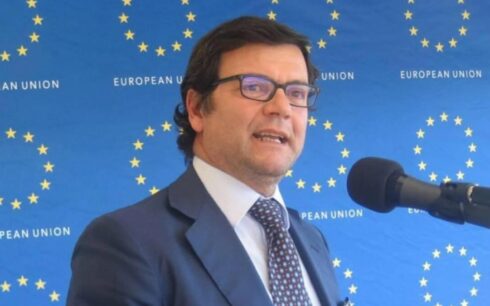
The delegation has also met with Taliban’s foreign minister and their minister of border affairs. The Taliban’s Foreign Ministry has confirmed that the Tajik delegation is led by Tajikistan’s special envoy for Afghanistan, Khisrav Sohibzoda.
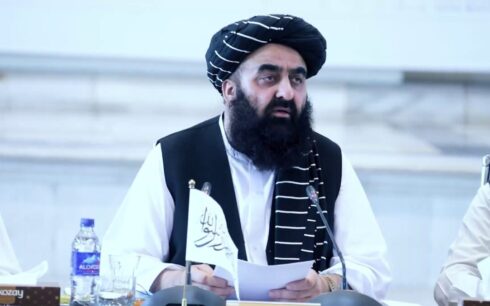
While the Taliban confirmed the meetings with Muttaqi and their tribal affairs minister, they have not released details of the more sensitive discussions involving their chief minister and intelligence leadership.
According to statements from the Taliban’s ministries of foreign affairs and borders, the meetings focused on border security, bilateral relations, drug trafficking, and demarcation of the shared border between Afghanistan and Tajikistan.
“Both delegations discussed enhancing security cooperation, resolving border issues, and strengthening mutual ties,” the statement from the Border and Tribal Affairs Ministry read.
The visit marks the first official delegation from Dushanbe to Kabul since the Taliban returned to power in August 2021. Tajikistan has remained one of the most critical neighbors of the Taliban and has repeatedly expressed concern about cross-border threats, particularly from ISIS-K.
In response to those concerns, Tajikistan and its allies in the Russia-led Collective Security Treaty Organization (CSTO) have approved measures to bolster border defenses, including building new military infrastructure and deploying additional personnel to the frontier. Dushanbe has also raised alarm over narcotics smuggling, a longstanding regional issue exacerbated by instability in Afghanistan.
“The terrorist threats, drug trafficking, and even arms smuggling from Afghanistan into Tajikistan have caused serious concern for Dushanbe,” said Bismillah Taban, a Kabul-based security analyst. “Even though the visit was publicized, this is not the first time Tajik security officials have entered Afghanistan. Security remains the primary focus.”
The visiting Tajik delegation includes senior officials from the country’s security and intelligence apparatus, as well as foreign ministry representatives and the government’s special envoy to Afghanistan, sources have said.
Some regional observers view the visit as a subtle shift in Tajikistan’s policy toward the Taliban, potentially signaling a willingness to engage — albeit cautiously — after four years of political distance. Since the Taliban’s return, most Central Asian nations have opened working-level channels with Kabul’s new rulers, but Tajikistan has remained a holdout.
Unlike its neighbors, Tajikistan has continued to host exiled Afghan opposition figures, including the National Resistance Front led by Ahmad Massoud. It is also one of the few countries that retained diplomats from the previous Afghan government in its embassy in Dushanbe.
According to Russian officials, Tajikistan has actively opposed the Taliban’s participation in multilateral regional forums such as the Shanghai Cooperation Organization over the past four years.
The visit by the Tajikistani delegation comes as Taliban’s governor of Balkh, Yusuf Wafa, visited Tajikistan last month, where he met with officials and called for closer ties between the two sides.