The Taliban’s Finance Ministry has given Afghan importers three months to wind down purchases of pharmaceutical products from Pakistan, moving ahead with a policy that could sharply alter the country’s medication supply chain and further strain relations between the two sides.
In a statement released Thursday, the ministry said that from Nov. 13 until mid-February, medicine imported from Pakistan will continue to be subject to customs duties. After that period, such imports will no longer be processed through customs — effectively blocking them from entering the country.
The ministry instructed all traders who conduct pharmaceutical business with Pakistan to “settle their accounts and comply with new regulations” within the three‑month window. It said the directive was issued under an order from the Taliban’s deputy chief minister for economic affairs, Abdul Ghani Baradar.
Baradar announced a day earlier that Afghanistan would halt the import of Pakistani medicine entirely, a significant shift in a market where Pakistan has long served as one of Afghanistan’s largest suppliers. The Taliban have argued that the change is aimed at curbing low‑quality imports and prioritizing what they describe as “high‑standard” pharmaceutical products.
The decision comes amid one of the most serious downturns in Taliban–Pakistan relations since they seized power in 2021. Border crossings — including Torkham and Spin Boldak, vital arteries for both trade and transit — have been closed for more than a month following a series of diplomatic and security disputes.
Pakistan’s defense minister, Khawaja Asif, downplayed the economic impact of the Taliban’s new restrictions, saying Afghan trade diversions would not harm Pakistan’s economy. “If Afghans want to import goods through Iran, Turkey, Turkmenistan, or India, let them do so,” he said in a recent interview with Pakistani media. “It will not affect us economically.”
In a related development, Taliban authorities in Afghanistan’s eastern Nangarhar Province said that trucks carrying fruit and vegetables destined for export to Pakistan were turned back at the Torkham border. Azizullah Mostafawi, the Taliban’s deputy governor in Nangarhar, told local traders in Jalalabad that efforts were underway to secure “better domestic and international markets” for Afghan produce.
He urged residents to support Afghan merchants and investors, according to a statement from the provincial information office.
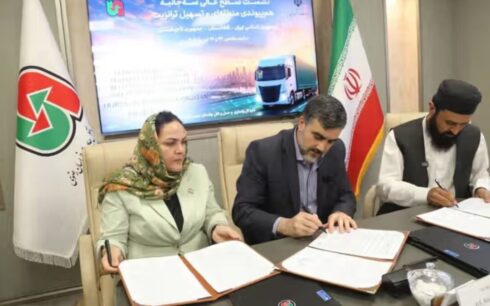
The disruptions come as the Taliban step up rhetoric calling for reduced commercial reliance on Pakistan. Earlier this week, senior Taliban officials said they would seek alternative trade routes through Central Asia and Iran and demanded formal guarantees from Pakistan that border crossings would remain open under all circumstances.
Despite political strain, Pakistan remains a major commercial partner for Afghanistan — particularly in the pharmaceutical sector, where Pakistani factories supply a large share of the medicines sold in Afghan markets. Health experts warn that a sudden suspension of imports could trigger shortages unless the Taliban identify viable alternative suppliers.