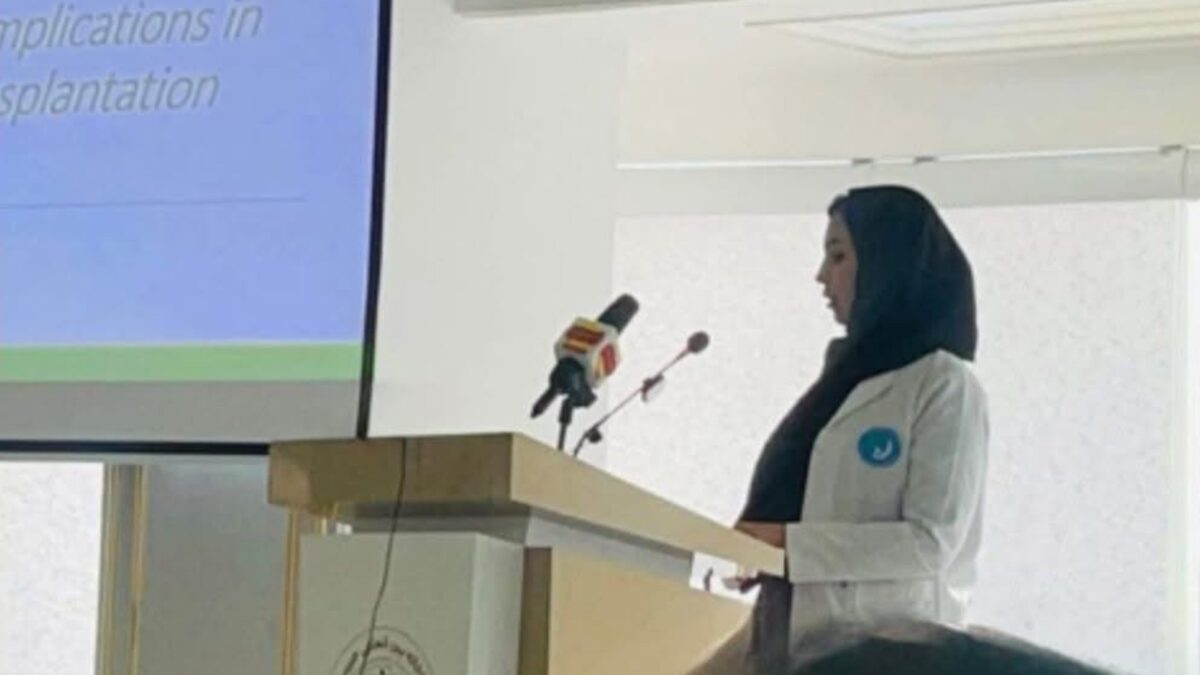
Taliban detained and later released a female surgeon in Herat, local sources said, as part of a new crackdown on women’s dress and access to public spaces, including medical facilities.
Dr. Shabnam Fazli, a general surgeon at the Herat Regional Hospital, was taken into custody by Taliban officials near the hospital earlier this week, sources told Amu. Her husband, Quddus Khatibi, later confirmed her detention on his Facebook page. She has since been released.
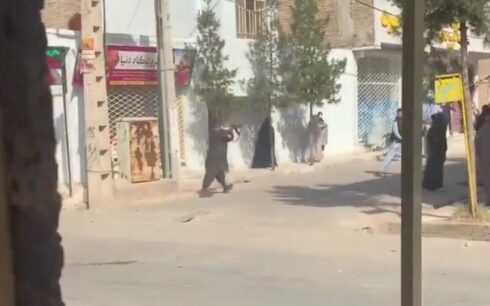
The incident follows new Taliban-imposed restrictions requiring female patients and doctors to wear the all-encompassing burqa in public hospitals. While the Taliban’s directorate for the Promotion of Virtue and Prevention of Vice in Herat has denied issuing such a directive, multiple eyewitnesses and hospital staff say enforcement has already begun.
Sources say the situation escalated when a pregnant woman—who had undergone two previous cesarean sections—was denied entry to the Gozargah Maternity Hospital because she was not wearing a burqa. As she suffered through labor pains outside the facility, her uterus ruptured. Her family, in desperation, transported her by rickshaw to another hospital, the Rezai Regional Maternity Hospital.
By the time she underwent emergency surgery, her unborn child had died due to internal bleeding and lack of oxygen, sources explained. The woman is currently in a coma and remains in the intensive care unit, the sources added.
The case has provoked outrage among medical professionals and women’s rights advocates, who say that the Taliban’s strict dress code policies are endangering lives and violating basic medical ethics.
“This is not about culture or tradition—it’s about control,” said one doctor in Herat who requested anonymity due to fear of retaliation. “When access to healthcare becomes conditional on what a woman wears, lives are lost.”
Since returning to power in 2021, the Taliban have reintroduced a series of gender-based restrictions that resemble those enforced during their first regime in the 1990s. Women are now barred from most jobs, secondary and higher education, and are often required to travel with a male guardian. Public visibility is further curtailed by dress codes mandating face-covering garments such as the burqa.
The United Nations and rights groups have repeatedly called on the Taliban to reverse these policies, warning that they amount to “gender persecution” and may constitute crimes under international law.
Despite international pressure, the Taliban continue to assert that their policies align with their interpretation of Islamic law.