Taliban are using forced confessions as a tactic of intimidation and humiliation against journalists in Afghanistan, Reporters Without Borders (RSF) said.
RSF condemned what it called a “new tactic of terror,” pointing to recent videos showing detained Afghan journalists being coerced into confessing to alleged anti-Taliban activities. The organization called on the Taliban to immediately release journalist Mahdi Ansari and six others who remain in arbitrary detention.
In the latest example, a video of Mahdi Ansari — a reporter with Afghanistan News Agency — was posted on the “Hindukush” Facebook page, a social media channel affiliated with the Taliban’s intelligence agency. The video shows Ansari making a “confession” in which he is accused of “producing propaganda against the Taliban and collaborating with exile media.”
According to RSF, Ansari was forcibly disappeared on October 5, 2024, after leaving his office in Kabul. His family later confirmed that he had been detained by Taliban intelligence. On January 1, 2025, he was sentenced to 18 months in prison by the Taliban’s intelligence Directorate 040, reportedly for “spreading anti-Taliban propaganda,” and subsequently transferred to Bagram prison.
“The orchestrated confession of Mahdi Ansari is part of a broader Taliban strategy to spread fear and silence the independent press,” said Célia Mercier, head of RSF’s South Asia desk. “The Taliban are trying to turn journalists into fabricated criminals, using these videos to justify arbitrary arrests and persecution.”
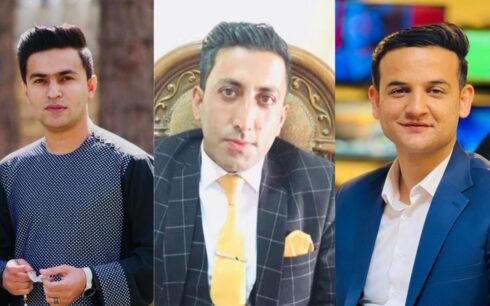
Ansari is not the only journalist subjected to this treatment. According to RSF, similar videos of coerced confessions have featured other journalists, including Abu Zar Sarempuli, head of the Tawana news agency and chair of the Federation of Afghan Media Organizations, and Shakib Nazari, a correspondent for Japan’s NTV. Both were detained during Taliban intelligence raids on July 24, 2025.
Their forced confessions were posted online on July 30 and August 21, respectively.
Other journalists, including Mohammad Bashir Hatif, interim head of the Afghan media federation, and Hamid Farhadi, a freelance journalist, have also been imprisoned. Farhadi was sentenced to two years in October 2024 for allegedly cooperating with exile media outlets, RSF said.
RSF also criticized a recent blackout of internet services. From September 29 to October 1, the Taliban cut nationwide access to fiber-optic internet on the orders of their supreme leader Hibatullah Akhundzada. While the Taliban claimed the move was aimed at curbing “immorality,” critics said it further isolated Afghanistan from the rest of the world.
In its 2025 World Press Freedom Index, RSF ranked Afghanistan 175th out of 180 countries, citing a deepening crackdown on journalists since the Taliban returned to power in August 2021. At least 165 journalists have been arrested during that period, the group reported.
“Publishing forced confessions and detaining journalists without due process are clear violations of human rights,” RSF said, urging the international community to apply greater pressure on the Taliban to stop targeting the media.