Taliban on Thursday confirmed that several days of talks with Pakistani officials in Istanbul had concluded “with agreement that both sides will meet again and discuss the remaining issues”.
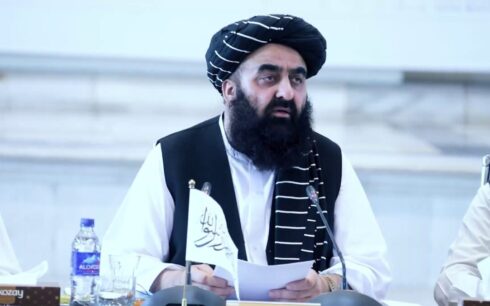
Taliban chief spokesman Zabihullah Mujahid said in a statement that the discussions were held “at the request and mediation of the brotherly countries Türkiye and Qatar”. He reaffirmed their position that diplomacy remains the preferred path forward.
“In line with its permanent and principled policy that issues should be resolved through diplomacy and understanding, the Islamic Emirate of Afghanistan held several days of talks with the Pakistani side in Istanbul,” Mujahid said, thanking Ankara and Doha for facilitating the dialogue.
The statement came after four days of closed-door meetings aimed at de-escalating growing tensions between Kabul and Islamabad, which have intensified in recent weeks over cross-border security concerns, the presence of the Tehrik-i-Taliban Pakistan (TTP) in Afghanistan, and a mass deportation drive by Pakistan targeting Afghan nationals.
Taliban sent a five-member delegation led by their deputy minister of interior Rahmatullah Najib.
Mujahid emphasized that the Taliban had approached the talks in good faith by appointing a “comprehensive and professional team” to lead negotiations. “The Islamic Emirate launched the negotiation process sincerely and seriously … and continued the process with full cooperation and patience,” he said.
While no breakthroughs were announced, both sides reportedly agreed to continue discussions at a later date to address unresolved issues. Mujahid did not provide specifics about what those issues are.
The Taliban statement also reiterated their desire to maintain stable ties with Islamabad despite recent strains.
“Just as the Islamic Emirate seeks good relations with other neighboring countries, it also desires positive ties with Pakistan and remains committed to relations based on mutual respect, non-interference in internal affairs, and not posing a threat to any side,” Mujahid noted.
Tensions between the two sides have escalated in recent weeks amid Islamabad’s accusation that Afghan soil is being used to shelter militants involved in attacks in Pakistan — a charge the Taliban denies.
While the Istanbul meetings ended without a concrete agreement, diplomats familiar with the process have suggested the talks themselves mark a positive shift after months of public acrimony and border closures.
Mujahid described the Istanbul round as “a complex process” but framed its conclusion as a step toward continued engagement. “The Istanbul negotiations … concluded with agreement that both sides will meet again and discuss the remaining issues,” he said.
Earlier in the day, a senior Taliban official told Amu TV that the TTP, Daesh and drone strikes were three main issues that created hurdles in the talks.