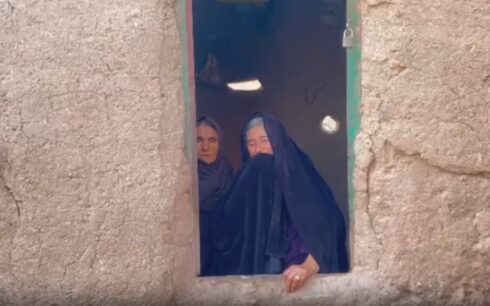
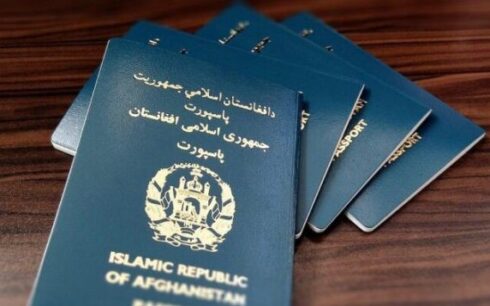
Afghan migrants in Pakistan say police have intensified arrests, home raids and deportations in recent days, leaving many in a state of constant fear.
The increased pressure comes after recent border clashes between Taliban forces and the Pakistani military, as well as a directive from Pakistani Prime Minister Shehbaz Sharif earlier this month ordering the mass expulsion of undocumented Afghan nationals.
Speaking to Amu TV, Afghan migrants reported that Pakistani police have escalated operations over the past three days, raiding homes and detaining people. Some said officers have demanded money during raids under various pretexts.
“Police in several cities have intensified the search and arrest of Afghan migrants,” said Aziz Gul Afghanbeik, a human rights activist based in Pakistan. “They storm homes and transfer people to deportation centers under various excuses.”
A number of Afghan nationals awaiting resettlement or asylum decisions shared similar accounts, saying they now live in fear of detention and forced return.
“We live with constant fear, day and night,” one Afghan migrant in Pakistan told Amu. “Police can knock on our doors at any moment.”
Meanwhile, some Pakistani media outlets have reported—citing unnamed sources in the Interior Ministry—that security agencies have been instructed not to arrest individuals deemed to be in “sensitive categories,” such as former Afghan security personnel, journalists, and human rights activists. Amu TV could not independently verify this claim.
Despite this reported instruction, migrants say arrests have continued, even among those with pending immigration cases.
They also point out that the Pakistani government has effectively halted visa renewals for Afghan nationals over the past six months, which has left thousands—including journalists, former military personnel and rights defenders—without legal status and at risk of deportation.
The worsening situation has added to the challenges faced by Afghan refugees already struggling with limited access to services and legal protection.