More than 212,000 children in eastern Afghanistan are at high risk of dangerous waterborne diseases after a 6.3‑magnitude earthquake and its aftershocks destroyed water, sanitation and hygiene infrastructure, UNICEF warned Thursday.
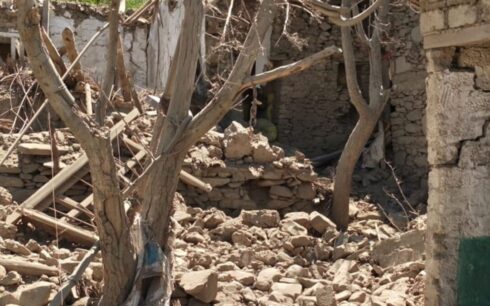
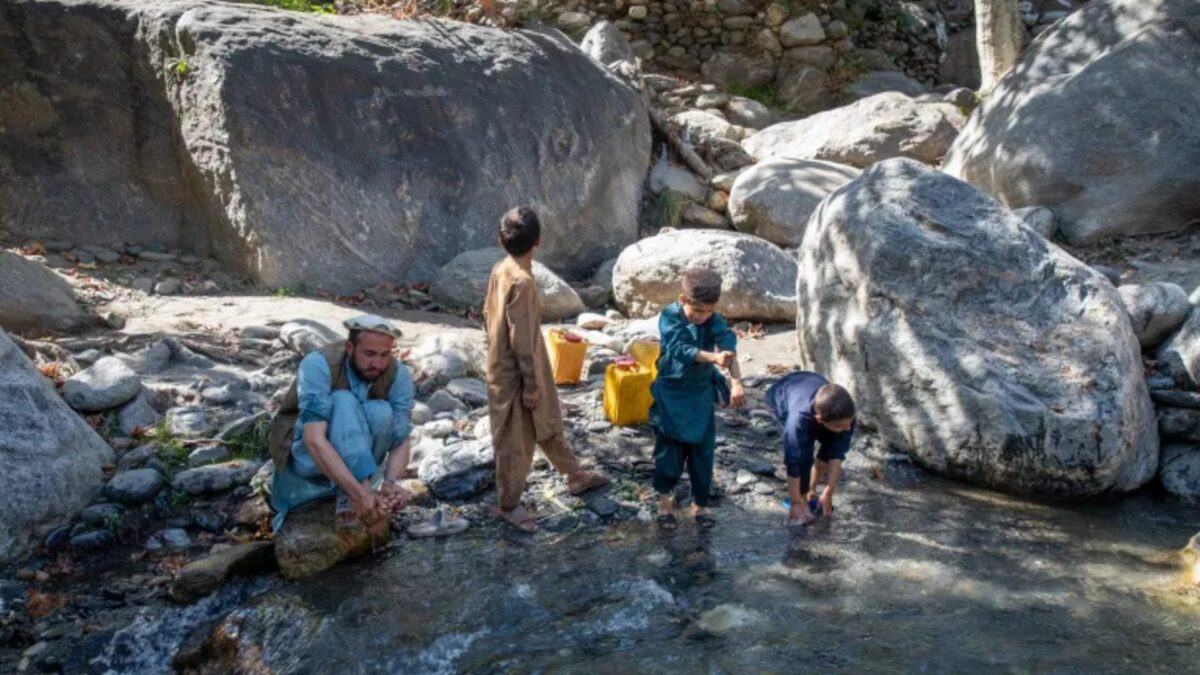
The quake, which struck a month ago, has damaged or destroyed 132 water sources. With latrines mostly in ruins, many communities have resorted to open defecation. Access to safe water, handwashing facilities and hygiene supplies like soap is severely limited.
Health centers in the region are already reporting increases in skin rashes, dehydration and cases of acute watery diarrhea—common in the area and especially deadly for children in these conditions.
“The earthquake has flattened homes and taken too many lives, and now threatens to take even more through disease,” said UNICEF’s Afghanistan representative, Dr. Tajudeen Oyewale. “Children who survived the quake are now living either in crowded displacement camps in the valleys or in makeshift shelters close to their destroyed mountain villages with no toilets, no safe water to drink, and no means to stay clean. This is a perfect storm for a health catastrophe.”
The destruction of sanitation systems has also exposed displaced women and girls to higher risk of gender‑based violence and protection threats because of a lack of private sanitation options.
UNICEF and partner organizations are trying to respond by trucking emergency water to the most affected areas and repairing water infrastructure, installing temporary sanitation facilities, distributing hygiene kits and promoting hygiene practices to reduce disease spread
However, UNICEF says the water, sanitation and hygiene (WASH) response is critically underfunded. Only about half of its $21.6 million appeal has been secured so far.
UNICEF has urged donors to immediately increase funding to prevent a full‑scale health crisis.