The United Nations marked Sept. 28 as the International Day for Universal Access to Information, saying access to information is power and helps citizens hold governments accountable. But Afghan journalists and human rights activists say access to information has been severely restricted under Taliban rule.
In a statement for the occasion, the UN said every individual has the right to seek, receive and share information. The organization described universal access to information as a foundation of transparent and accountable governance and an inseparable part of freedom of expression.
“The media play a fundamental role in informing the public about important issues,” the UN said, adding that the day aims to promote the basic human right to information and knowledge.
Afghan rights activists say the Taliban’s censorship has deprived citizens of accurate information while shielding the group’s rights abuses from public view.
“As a result of censorship, both Afghans and the wider world are less informed about corruption in the Taliban administration, human rights violations and the daily persecution of political opponents,” said Mohammad Musa Mahmudi, executive director of the Afghanistan Human Rights Center. “By restricting information, the Taliban have managed to avoid accountability.”
Journalists also say access to information has dropped to unprecedented levels, with the public increasingly cut off from reality.
“In the Taliban system, which has ruled for the past four years, they oppose news reporting, information-sharing and raising public awareness,” said Afghan journalist Mirowais Khawarin. “They simply do not want it.”
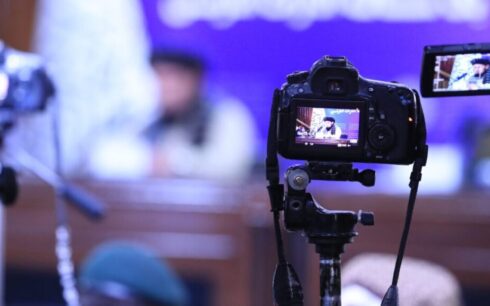
Earlier this month, Taliban leader Hibatullah Akhundzada signed into law the “Promotion of Virtue and Prevention of Vice Act.” Article 17 of the law bans the broadcast of images of living beings. The Taliban have enforced the ban in 17 provinces over the past year, with Herat the most recent to see live images banned.
Journalists say the restrictions have left the Afghan people in an information vacuum, concealing Taliban abuses and further isolating society.