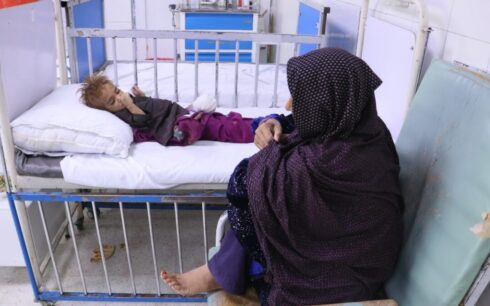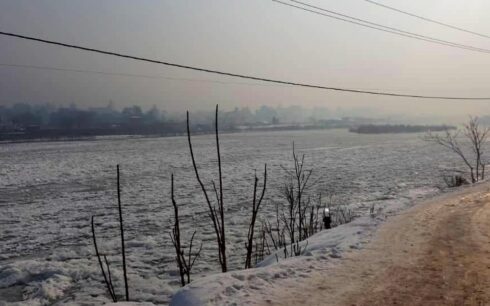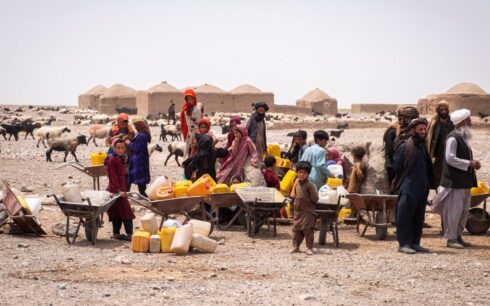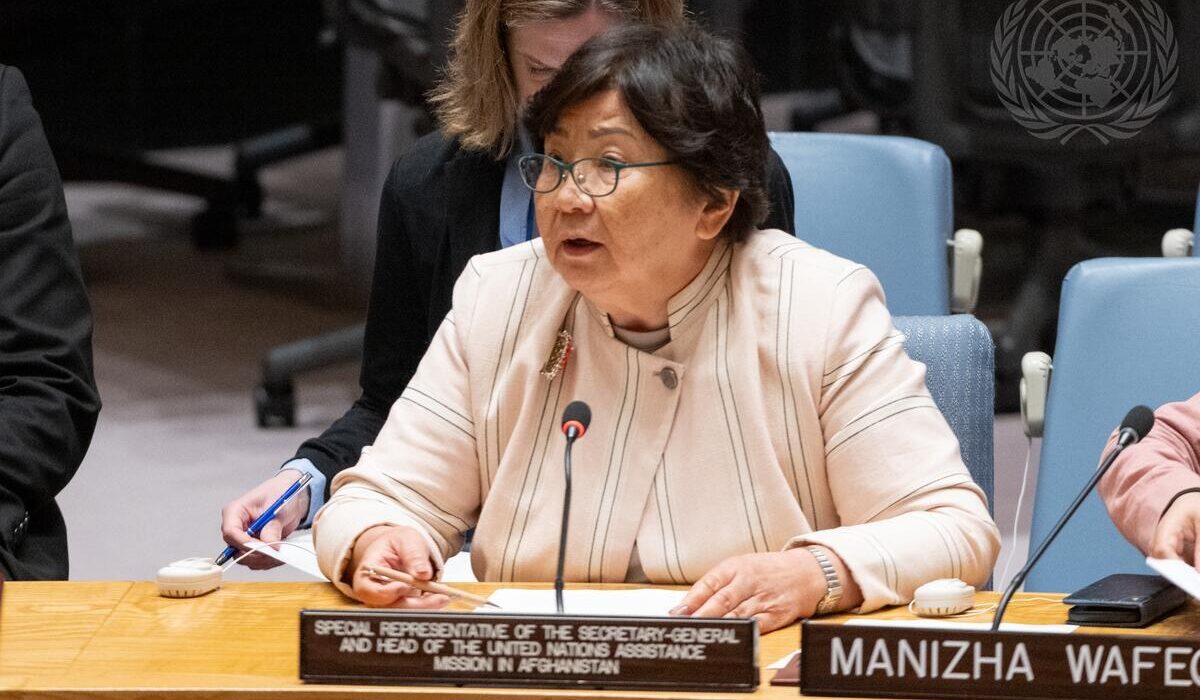
The United Nations envoy for Afghanistan warned Wednesday that the country is facing a “perfect storm” of crises — from deepening restrictions on women and minorities to aid cuts, a struggling economy, climate-related disasters and mass refugee returns — that threaten to push millions further into poverty.
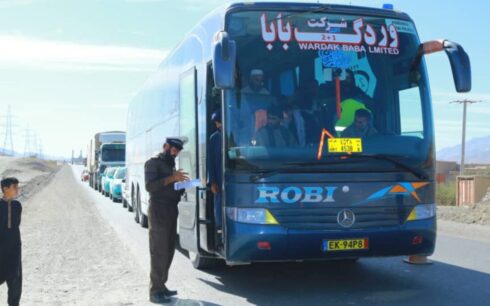
Roza Otunbayeva, head of the U.N. Assistance Mission in Afghanistan, told the Security Council that the situation is dire: nearly 75% of Afghans live at subsistence levels, aid has been cut by almost 50% in 2025, and Kabul could become the first modern city to run out of water within years. She said the return of more than 2 million Afghans from neighboring countries in the past two years has further strained limited resources, costing the economy an estimated $1 billion in lost remittances.
Otunbayeva said Afghanistan’s economic growth rate of 2.7% lags behind population growth, while drought and earthquakes — like the recent one in Kunar province — have left subsistence farmers facing existential threats. She added that international donors have provided nearly $13 billion since 2021, but future assistance is likely to decline, in part because of the Taliban’s policies banning women from work and education.
“There is an open question whether there is sufficient pragmatism among the de facto authorities to manage this perfect storm of crisis, or whether decisions driven by ideology will prevent sustainable solutions,” she said.
Otunbayeva also cited Taliban restrictions that blocked U.N. national staff from accessing compounds in Kabul even as U.N. agencies scaled up emergency assistance after the Kunar quake. She said such actions “seriously hinder” the organization’s ability to help Afghans “at their moment of great need.”
While noting that Taliban authorities mobilized helicopters and set up sites for displaced people after the quake, Otunbayeva stressed that the leadership should instead focus on “jobs, economy, education and public services” rather than enforcing new restrictions.