Canada as well as governments across Europe and Asia expressed condolences and pledged humanitarian support after a powerful earthquake struck eastern Afghanistan, killing at least 800 people and injuring thousands.
Canada’s Foreign Ministry said Canada is deeply saddened by the loss of life and destruction caused by the earthquake in Afghanistan. “Our heart is with all those affected, and Canada stands ready to support humanitarian partners on the ground,” said the ministry.
Switzerland’s Foreign Ministry said it was preparing support for humanitarian partners in Afghanistan and would deliver assistance through its humanitarian office in Kabul. “We extend our sympathies to all those affected by this tragedy,” the ministry said on X.
Germany’s Foreign Ministry said it was “deeply saddened” by the quake, which left hundreds dead and injured. “We extend our condolences and sympathy to the victims,” it said in a statement.
Bangladesh’s Foreign Ministry said the government and people of Bangladesh were “deeply saddened” by the deaths caused by what it called a “devastating earthquake.” It added: “Our heartfelt condolences go to the brotherly people of Afghanistan. Our thoughts and prayers are with the victims.”
France also expressed solidarity, offering condolences to the families of victims. “France expresses its full solidarity with the Afghan population in this new ordeal,” the Foreign Ministry said, adding that it remains committed to supporting Afghans through humanitarian action.
The United Kingdom earlier announced it was allocating £1 million ($1.3 million) in humanitarian assistance for earthquake survivors in Afghanistan’s eastern provinces.
The 6.0-magnitude quake struck just after midnight near Asadabad in Kunar province, killing at least 800 people and injuring more than 2,500 in Kunar alone, according to Taliban officials. Additional casualties were reported in Nangarhar and injuries in Laghman and Nuristan, while homes were damaged in Panjshir.
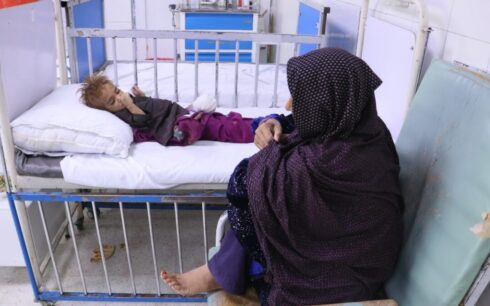
Hospitals in Kunar remain overwhelmed as rescue workers struggle to reach remote areas, with helicopters ferrying the wounded from villages cut off by landslides and blocked roads.