Afghanistan on Tuesday marked the 106th anniversary of its independence from Britain, a day historically celebrated with national pride but now muted under Taliban rule.
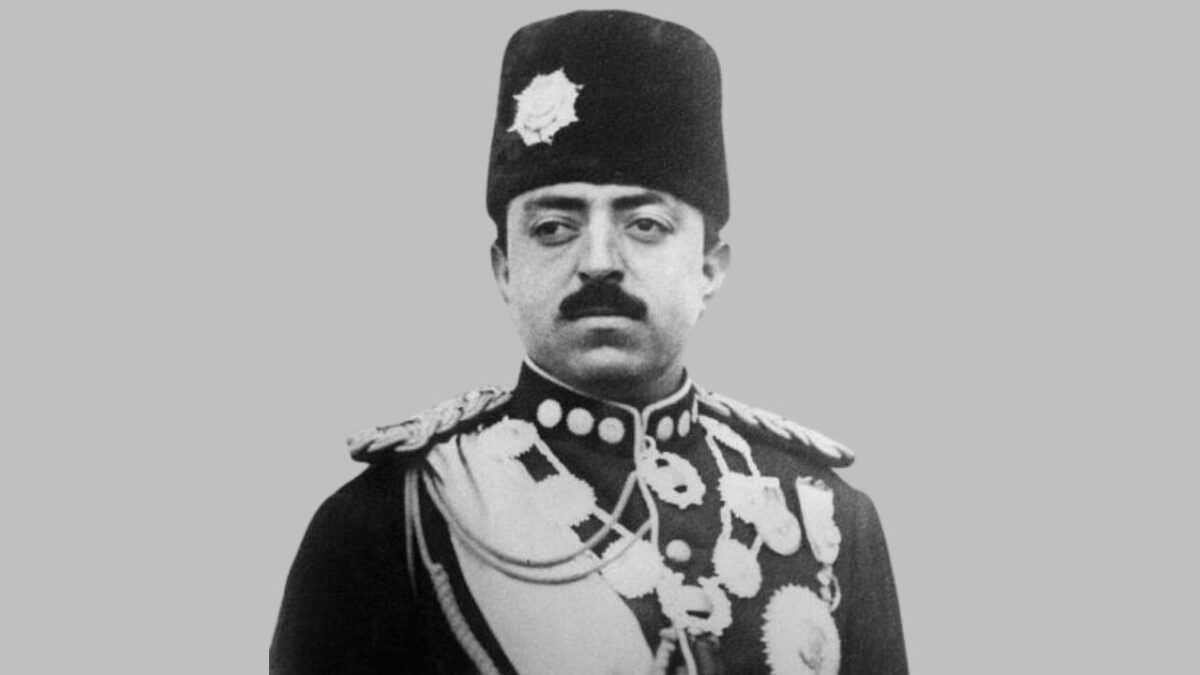
On Aug. 19, 1919, then-King Amanullah Khan declared victory over British forces, restoring Afghanistan’s sovereignty after three wars with Britain in the 19th and early 20th centuries. The date is commemorated each year as Independence Day.
Russia and Turkey were among the first countries to recognize Afghanistan’s independence at the time.
The Taliban-run Ministry of Labor and Social Affairs declared Tuesday a public holiday, calling Independence Day a “glorious occasion” in the nation’s history.
But in the four years since returning to power, the Taliban have restricted public festivities. In the past, Afghans often poured into the streets waving the black, red and green national flag, dancing and celebrating the day with music and parades. Those celebrations have been largely absent under the Taliban.
Independence Day has long been considered one of Afghanistan’s most symbolic national holidays, honoring the country’s identity as a sovereign state free from colonial rule.
The day commemorates the signing of the Treaty of Rawalpindi in 1919, which ended the Third Anglo-Afghan War and formally recognized the country’s independence from British influence. The victory was led by King Amanullah Khan, who later introduced sweeping reforms aimed at modernizing the country.
The holiday, observed annually on Aug. 19, has long been a symbol of Afghan sovereignty and resilience. Traditionally, it was marked by parades, cultural programs and public celebrations, with citizens waving the national flag in the streets.