As the Taliban prepare to mark the fourth anniversary of their return to power this week, former government employees say they have spent the past four years struggling with unemployment, poor health and economic hardship.
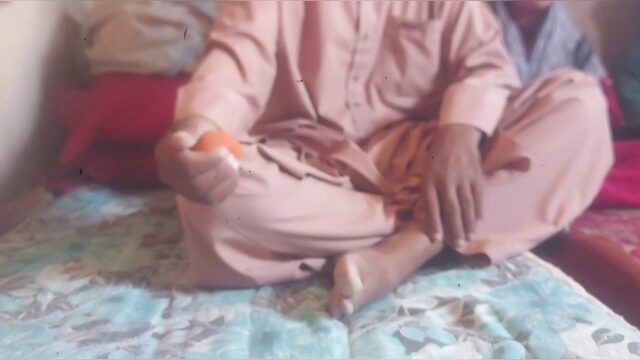
In Ghor province, Abdullah, a former soldier, is living with kidney failure after both kidneys stopped functioning. Without a job or steady income, he says he cannot pay for regular dialysis.
“My hand is injured, a dialysis tube is connected to my leg. I swear to God, I am so poor that my neighbors and relatives send me money so I can continue my treatment,” he said.
Farther east in Ghazni province, some former civil servants have turned to small-scale farming in an attempt to survive. Using their own limited funds, they have built greenhouses to grow cucumbers and tomatoes.
Abu Zar Soltani, who once worked for the Ministry of Communications in Kabul, now spends his days tending crops.
“Our work is very hard, but we make no profit,” he said. “Still, it’s better than being unemployed.”
Another former government worker, Khairullah, is trying to keep up with daily expenses.
“Shop rent is 3,000 rupees, house rent is 4,000, and electricity is another 1,000,” he said. “That’s 8,000 in monthly rent. I make 800 to 1,000 a day, and somehow we survive.”
Four years after the Taliban seized Kabul on Aug. 15, 2021, thousands of former government and security officials remain on the fringes of Afghan society. Some live with chronic illnesses and cannot afford treatment; others work long hours for meager pay, far from the positions they once held.
The new report from the UN Assistance Mission in Afghanistan (UNAMA) documented seven killings of former Afghan security personnel between May and July this year. It also recorded eight cases of arbitrary arrest by Taliban authorities and three incidents of torture or ill-treatment against former officials.