As the Taliban prepare to mark four years in power on Aug. 15, many women say the years since 2021 have been the hardest of their lives, defined by exclusion from education, work and public life.
After Taliban leader Hibatullah Akhundzada issued an edict banning women from working in non-governmental organizations, thousands of educated women lost their jobs. The impact, women say, has been devastating — stripping them of economic independence, social standing and hope for the future.
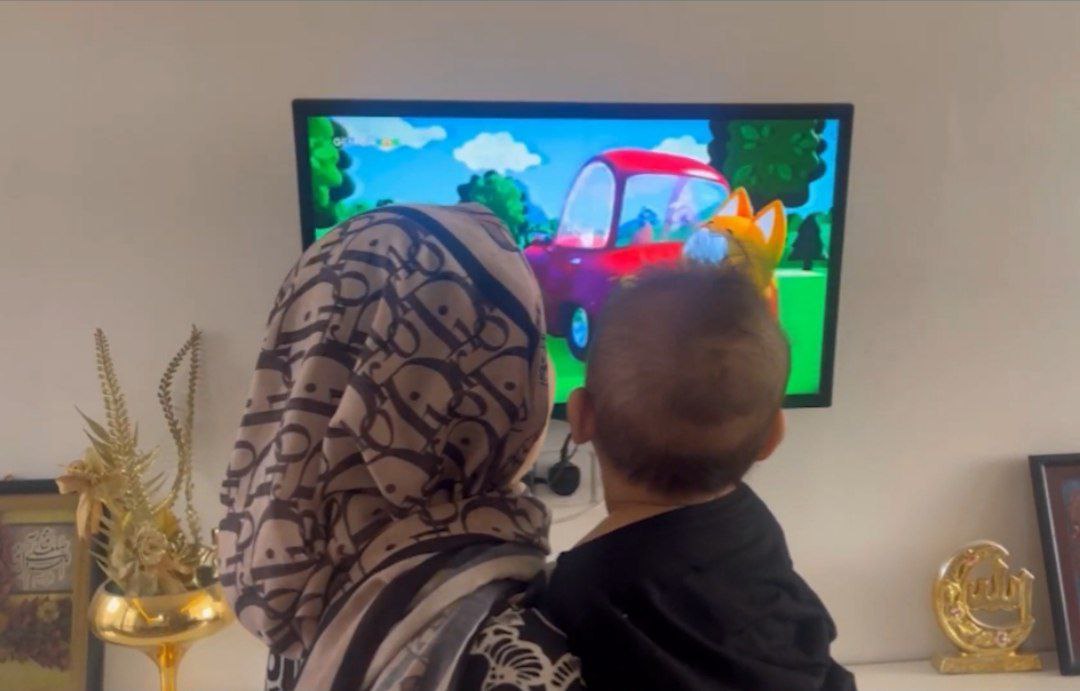
Noran Naeemi, who holds a master’s degree in economics, once worked at the Ministry of Education. Today she stays at home in Herat, caring for her children and describing herself as a prisoner of circumstance.
“Before the Taliban, I held a good position in government,” she said. “I was independent and respected. Now I am reduced to housework. I have no income, no independence, no role in society. My dreams collapsed under Taliban decrees.”
While some women have attempted to rebuild their lives by starting small businesses — tailoring shops, beauty salons or home‑based ventures — they say the collapsing economy and lack of support have left them struggling to survive. Still, many view these efforts as the only way to remain engaged in society.
Freshta Barazada, a dismissed civil servant, said: “It has been four years since women were barred from work and schools. We ask the authorities to reopen opportunities for women and girls. Without them, we have no future.”
Fatema Hemati, another former government employee, echoed that plea. “For four years, universities and schools have been closed to us. We hope the doors of education will open again, because without education, women have no path forward.”
Rights groups say the bans are part of a wider pattern of repression. U.N. reports document not only restrictions on education and employment but also arbitrary arrests, harassment by morality police and systemic violence against women. Activists warn that the policies are erasing women from public life and placing an entire generation at risk.
In Bamiyan, Kabul, Herat and beyond, women describe similar experiences: losing not only jobs and classrooms but also the sense of belonging that came with contributing to their communities. “We want the right to social participation,” Naeemi said. “Without it, women are silenced.”
As Taliban leaders prepare to celebrate their fourth year in power, women say there is little for them to mark. Instead, they see the anniversary as a reminder of rights stripped away and futures placed in jeopardy.