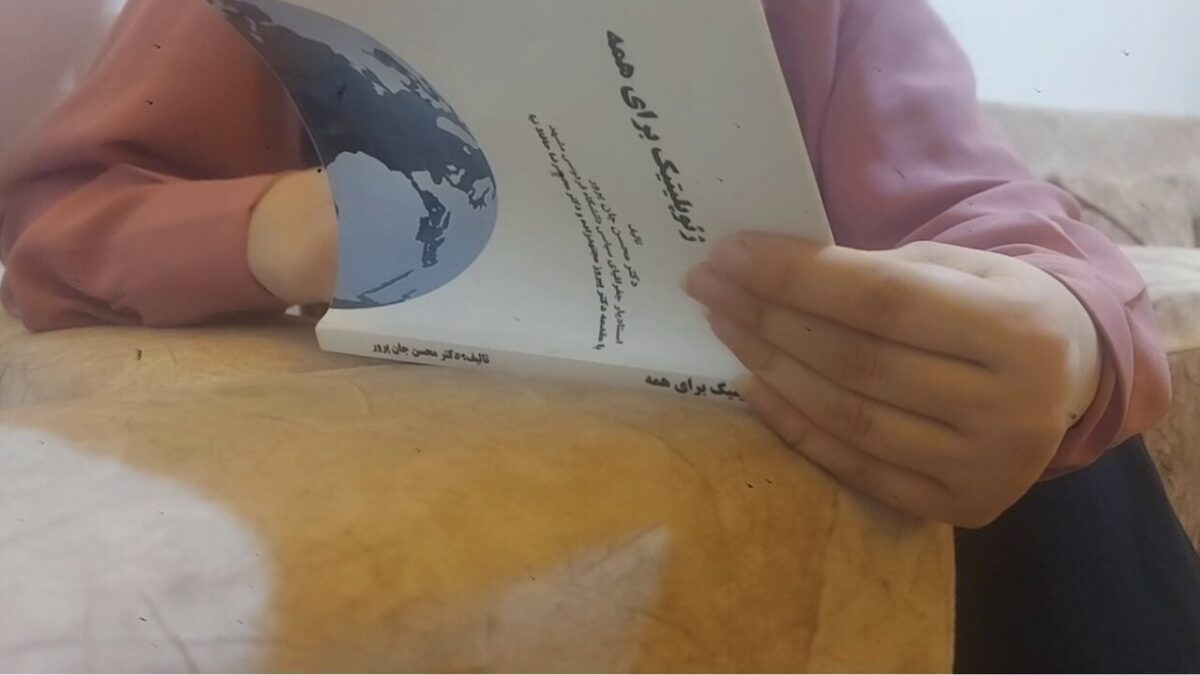
As the Taliban prepare to mark four years in power, many girls in Afghanistan’s central Bamiyan province say the ban on secondary and higher education has left them with broken dreams and few options for the future.
Since schools for girls beyond the sixth grade were shut in 2021, thousands have been forced to abandon their studies. Some now spend their days in sewing workshops or working in small clinics, often the only way to leave their homes and remain connected to society.
“This was never my passion,” said 18-year-old Mohaddesa, who once hoped to become a doctor but now works at a tailoring shop. “Because the schools are closed, I had no choice but to come here. I hope one day the schools reopen so we can continue our education.”
United Nations reports estimate that more than 2 million Afghan girls have been barred from attending school since the Taliban’s return to power.
Nabila, who was in eighth grade when the closures began, now works in a local dental clinic. “My classmates and I dreamed of becoming doctors,” she said. “Now schools are still closed. I only wish they reopen so girls can achieve their goals.”
Others expressed deep frustration after years of waiting. “Not being able to study is very hard and worrying,” said Rana, another Bamiyan teenager. “Four years have passed, our age has gone up, our memory has weakened, and our interest in learning is fading. Please open the schools, because this is very painful.”
Afghan girls say the closures have robbed them not only of individual ambitions but also of a future where women can contribute fully to society. “Being denied education is not just about losing one right,” Mohaddesa said. “It is cutting off the roots of progress, ability and participation for women in our country.”
Taliban have defended their restrictions as temporary, but they remain the only government in the world that bans girls and women from secondary schools and universities. Rights groups warn that the policy risks creating a “lost generation” of Afghan women.