The United Nations Office for the Coordination of Humanitarian Affairs (OCHA) has warned that a major funding shortfall continues to threaten humanitarian operations in Afghanistan, with only 53% of the $3.06 billion required for the 2024 response plan secured, even after mid-year contributions in 2025.
In a report released Sunday, titled Afghanistan Humanitarian Response Gap Analysis 2024, OCHA said that as of mid-2025, the shortfall leaves a gap of around $1.43 billion for the current year. The agency added that the shortfall could severely hamper ongoing operations.
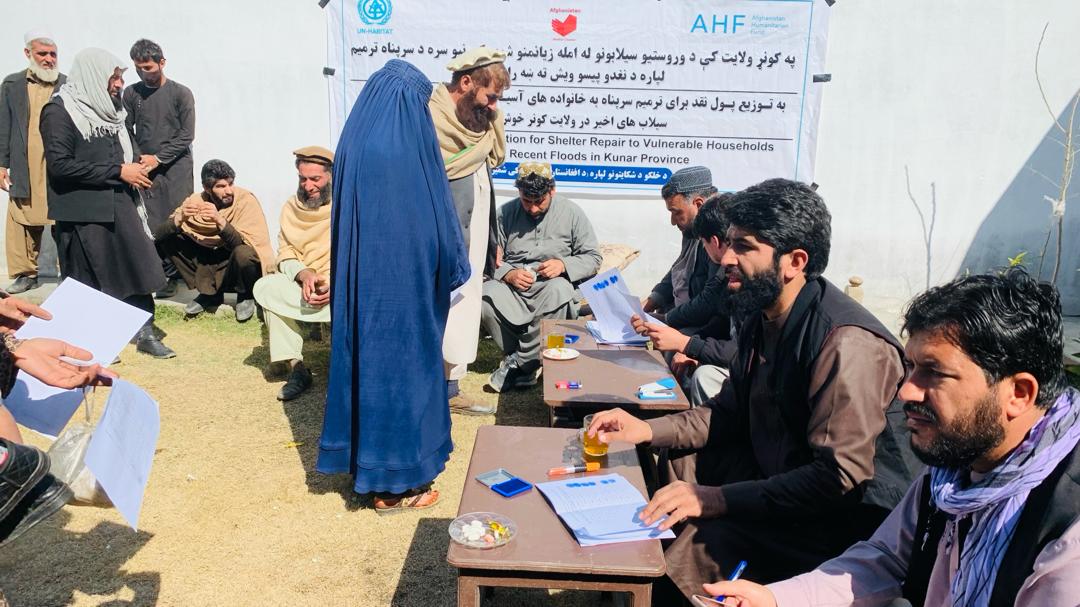
The report says that despite constrained funding, humanitarian partners reached more than 22.4 million people with some form of assistance in 2024, surpassing the initial target of 17.3 million.
However, the report noted stark disparities in the type and frequency of assistance delivered. Nearly 67 percent of aid recipients received only food aid—often with reduced rations and longer gaps between distributions.
More comprehensive support, including clean water, health care, education, and emergency shelter, reached just 3.1 million people, representing only 41 percent of the target population for those sectors, which aimed to serve 7.6 million people monthly.
OCHA warned that ongoing shortfalls, particularly in water and sanitation services, pose heightened risks of disease outbreaks, malnutrition, and preventable deaths. “Insufficient funding for core sectors continues to undermine the delivery of essential services and increases the vulnerability of Afghan families,” the agency said.
The report says that while late pledges as of May 2025 helped lift funding from 47 percent to 53 percent of the target—totaling $1.63 billion—significant needs remain unmet. An additional $412.5 million in carryover funds from 2023 were added to the response budget but have proven insufficient to close the gap.
OCHA has called for urgent international action to address the deficit, warning that without swift intervention, progress in stabilizing the humanitarian situation could be reversed.
“The international community must not allow Afghanistan to slide further into crisis due to a failure of funding,” the report stated.