A coalition of Afghan women’s rights activists based in Germany has warned the German government against what it described as the gradual normalization of Taliban-linked influence inside Afghanistan’s diplomatic missions in Europe, arguing that the development poses political, social and security risks beyond the Afghan diaspora itself.
In an open letter addressed to Germany’s interior minister, Alexander Dobrindt, and foreign minister, Johann Wadephul, the Afghan Women Activists Coordinating Body, or AWACB, said recent developments involving Afghan diplomatic representations in Germany had intensified concerns among Afghan exiles.
The letter, issued in Berlin in May 2026 and released in cooperation with the European Organisation for Integration, cited recent German media reports alleging that Taliban-affiliated individuals were attempting to recruit interns through Afghan diplomatic offices in Germany and expand institutional networks linked to the Taliban administration.
“Embassies and consulates are not neutral spaces,” the group wrote. “They create political networks, social influence, and long-term structures of loyalty.”
The activists urged the German government to assess what they described as the long-term consequences of Taliban-linked actors gaining influence over consular services and Afghanistan’s diplomatic structures in Europe.
The letter argued that many Afghans living in Germany — including women’s rights advocates, journalists, former judges, academics and former government employees — had fled precisely the kinds of political and ideological systems now feared to be re-emerging through diplomatic channels.
The group also raised concerns about financial oversight involving Afghan consular services in Europe, noting that Afghan nationals depend on embassies and consulates for passports and official documents, generating significant revenue streams. The activists said it remained unclear what safeguards existed to ensure such funds did not indirectly support Taliban-linked structures.
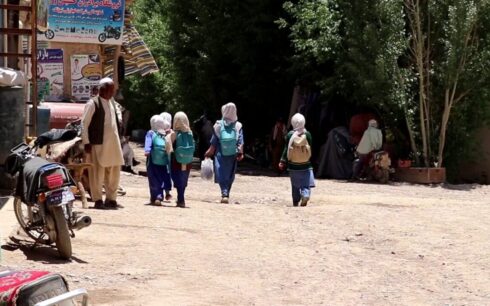
The Taliban were described in the letter as “an authoritarian Islamist regime” that systematically excludes women from public life and suppresses political opposition. The activists pointed to restrictions on girls’ education and broader limitations imposed on women since the Taliban returned to power in 2021.
The letter also warned that schools and educational institutions in Afghanistan had increasingly been transformed into ideologically driven religious structures, undermining pluralistic education and democratic values.
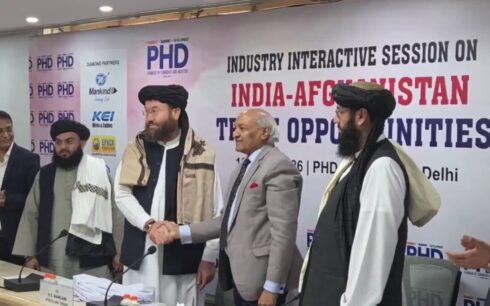
Germany, like other Western countries, has not formally recognized the Taliban rule but has maintained limited engagement with their officials on issues including migration, consular affairs and humanitarian access.
In recent months, debates inside Germany and other European countries over Afghan migration and deportation policies have intensified amid broader discussions about relations with Taliban.
The activists called on Berlin to ensure “full transparency” regarding any Taliban-linked influence in Afghanistan’s diplomatic missions, conduct security assessments of possible recruitment networks and establish stronger protections for vulnerable members of the Afghan diaspora.
They also urged Germany to maintain an Afghanistan policy centered on human rights, democratic principles and the protection of women.
“The real danger does not emerge suddenly,” the letter stated. “It develops gradually — through institutional presence, social normalization, and long-term networks of influence.”
German authorities had not publicly responded to the letter at the time of publication.