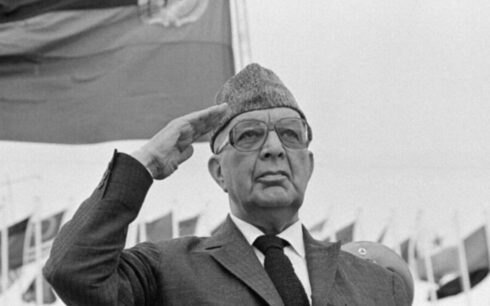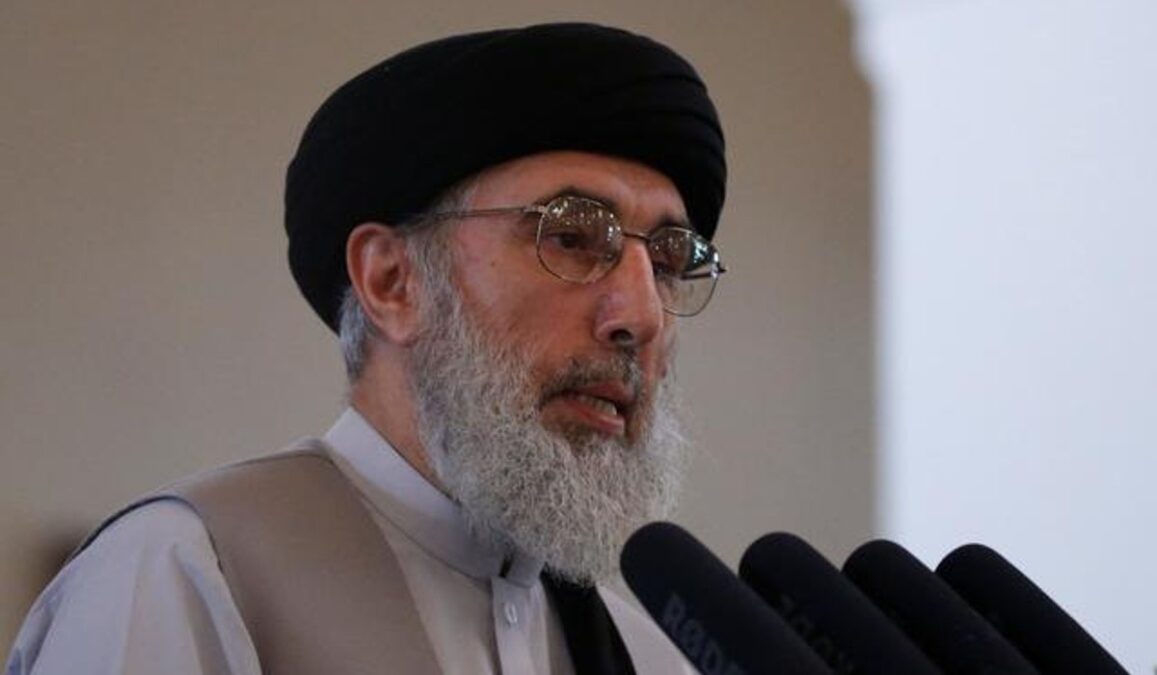
Gulbuddin Hekmatyar, the leader of Hezb-e-Islami, said the current situation in Afghanistan is “unacceptable” to “all Afghans” and called for immediate political change, including the holding of elections.
In a statement published on Saturday, Hekmatyar said the country’s conditions fall short of public expectations and require urgent reform.
“The current situation is not only contrary to the hopes and expectations of Afghan people, but is unacceptable to any Afghan,” he said. “Everyone seeks immediate and positive change within the framework of clear Islamic principles.”
He criticized the absence of what he described as essential elements of governance, including a representative council, a constitution and an elected government.
His remarks come as Taliban officials have renewed calls for exiled Afghan political figures to return to the country. Speaking at a gathering in Kabul, Shahabuddin Delawar, head of the Taliban’s political outreach commission, invited several prominent leaders to come back, offering assurances of safety.
“We call on leaders such as Abdul Rab Rasul Sayyaf … Mohammad Mohaqiq, Karim Khalili, Atta Mohammad Noor, Abdul Rashid Dostum and Ashraf Ghani to return,” Delawar said. He added that “everything is forgiven” and that returnees would be guaranteed security. He also extended the invitation to Fawzia Koofi, a former lawmaker.
In response, the party of Karim Khalili said in a statement that political leaders would return only if a system based on the will of the people is established. Without such changes, it said, responsibility for the country’s crisis would rest with the Taliban.
“The lasting resolution of Afghanistan’s political crisis is only possible through the creation of a just, inclusive political structure based on the free will of the people,” the statement said.
Taliban have not issued a new response to Hekmatyar’s remarks. Since returning to power, they have resisted calls for an inclusive government and have formed an all-male cabinet drawn largely from their own ranks. Moreover, dozens of members of the former government and its security personnel have been killed and imprisoned over the past four years, according to UN reports.
The Middle East Institute has said in its new report that over 90 percent of the Taliban’s leadership is made up of individuals from one ethnic group.
Critics say the current political structure excludes broad segments of society, while some observers also note that opposition figures remain fragmented and have struggled to present a unified alternative.