At least 157 people have been killed across Afghanistan since late March as heavy rains, flash floods and related disasters continue to devastate large parts of the country, the Taliban-run national disaster management authority, ANDMA, said on Thursday, underscoring the mounting human and economic toll of extreme weather.
The ANDMA said that since March 26, a series of disasters, including flooding, heavy rainfall, snowfall, earthquake and the collapse of residential roofs, has also left 229 people injured and 9 others missing.
In a video statement, the agency’s spokesman, Mohammad Yousuf Hamad, said the damage has been extensive, affecting homes, infrastructure and farmland across multiple regions.
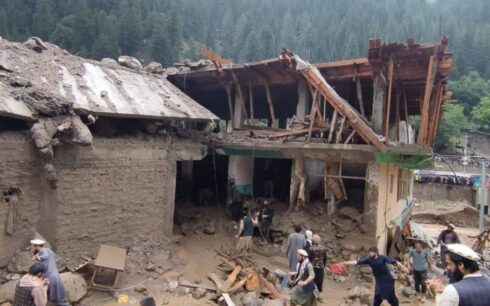
According to him, thousands of homes have been damaged nationwide, with at least 8,526 houses either completely destroyed or partially affected. Roads have also been heavily impacted, with about 372 kilometers reported damaged, disrupting transportation and access to already isolated communities.
Agriculture, a critical source of livelihood for many people, has also suffered losses. Around 1,700 jeribs (850 acres) of farmland have been destroyed, along with more than 200 trees, raising concerns about longer-term food security in affected areas.
The situation remains fluid. In the past 24 hours alone, at least 9 people have been killed and 13 others injured in incidents linked to floods, heavy rainfall, snowfall and collapsing homes, Hamad said. One person remains missing, he added.
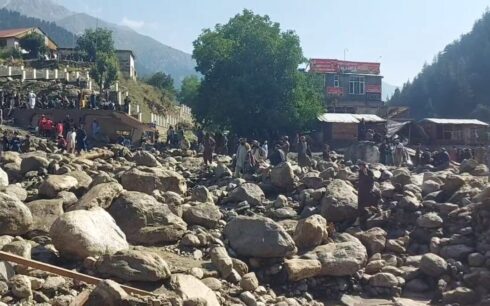
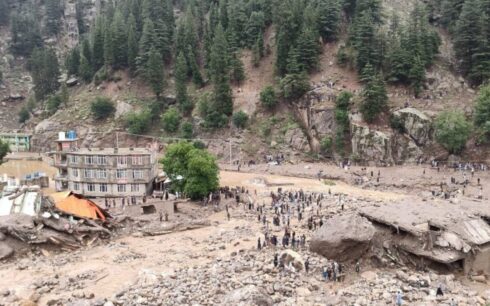
The disasters follow weeks of persistent rainfall affecting more than 20 provinces across eastern, western, northern and central Afghanistan. In many areas, flash floods have swept through villages, damaging homes and cutting off roads.
Afghanistan is particularly vulnerable to natural disasters, including floods, droughts and earthquakes, due to a combination of geographic exposure, weak infrastructure and widespread poverty. Limited emergency response capacity has further complicated relief efforts in remote and rural areas.