A peace jirga convened in Peshawar has called on the Taliban and Pakistan to reduce tensions and return to dialogue after weeks of escalating cross-border violence that has left dozens dead and displaced thousands.
The gathering, which brought together tribal elders, religious leaders, political figures and members of civil society, urged both sides to pursue negotiations and avoid further military escalation.
The jirga comes after nearly five weeks of intensified clashes along the border, including artillery exchanges and airstrikes. The violence has resulted in civilian casualties, damage to infrastructure and widespread displacement in border provinces.
Pakistan has accused the Taliban of providing safe haven to militant groups, including Tehrik-i-Taliban Pakistan, which it says has carried out attacks inside Pakistani territory. Taliban have denied the allegations, insisting that Afghanistan’s soil is not being used against neighboring countries.
The recent escalation has included cross-border shelling and airstrikes by Pakistani forces inside Afghanistan. Taliban have said some of those strikes hit civilian areas, including the Omid rehab center in the east of Kabul on March 16, drawing international concern. Pakistan has said its operations target militant infrastructure.
Fighting briefly subsided during a temporary ceasefire ahead of Eid al-Fitr, brokered with the involvement of regional actors, but hostilities resumed shortly after the truce expired.
Organizers said the Peshawar jirga was intended to create a platform for dialogue and confidence-building. The event was organized by civil society groups advocating for policy reform and social cohesion, and included representatives from Khyber Pakhtunkhwa and border regions.
Arbab Khizar Hayat, one of the organizers, said the gathering brought together political party members, tribal elders and representatives of the business community. He said proposals aimed at reducing tensions would be presented and shared with relevant stakeholders.
Organizers also called on the Taliban to convene a similar forum on their side of the border to support efforts toward de-escalation.
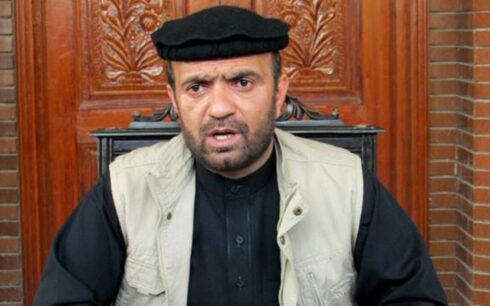
“We welcome any step toward peace,” said Faisal Khan Tarakai, the labor minister of Khyber Pakhtunkhwa. “The conflict has gone on for too long, and negotiations should be given a chance to establish more positive relations.”
The jirga’s recommendations are nonbinding, but participants said they hoped the initiative could help open channels for dialogue at a time when formal diplomatic engagement between the two sides remains limited.
Analysts say the continuation of violence underscores the fragility of relations between Islamabad and the Taliban, with security concerns, mutual distrust and unresolved militant activity continuing to drive tensions.