Taliban authorities in western Afghanistan say the transit of commercial goods through Iran is continuing normally despite regional tensions.
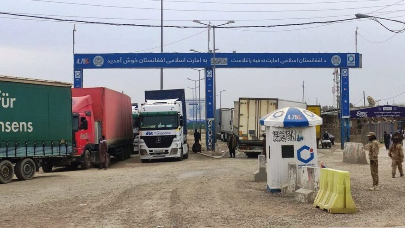
In a statement, the media office of the Taliban governor of Herat said the movement of goods through the Islam Qala border crossing remains uninterrupted.
The statement said up to 1,300 trucks carrying commercial goods pass through the crossing each day.
According to the office, annual trade between Afghanistan and Iran is estimated at about $4 billion, with most of the exchanges taking place through the Islam Qala crossing.
The comments come as residents in several parts of Afghanistan have complained about rising prices for food and fuel amid ongoing tensions in Iran.
Shopkeepers in the provinces of Ghor and Herat previously told Amu that prices of food and fuel have risen sharply in recent weeks.
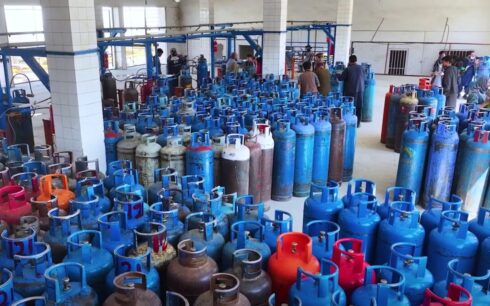
Residents in Ghor said the price of petrol has increased from about 60 Afghanis (about $0.85) per liter to 70 Afghanis (about $1), while liquefied gas has risen from 52 Afghanis ($0.75) to 58 Afghanis ($0.83) per kilogram.
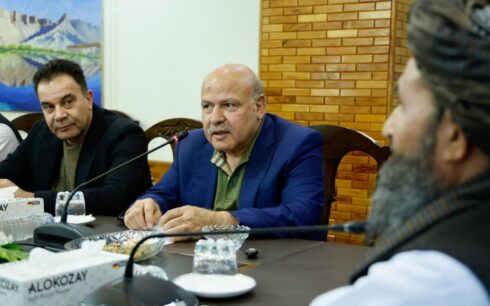
Khan Jan Alokozay, a board member of the Afghanistan Chamber of Commerce and Investment (ACCI), on Sunday said that the price of some basic food items has risen due to the closure of trade routes with Pakistan and regional tensions, particularly in Iran, which serves as a key transit route for Afghan trade.
Alokozay said Afghanistan is facing challenges on multiple fronts, including tensions with Pakistan and instability in the region, and warned that urgent measures are needed.
He said one of the main concerns is imported food items, particularly rice, which must be sourced from South Asian countries.
Although Afghanistan has reached an agreement with Bangladesh to import rice, Alokozay said the shipments would have to pass through Iran’s Bandar Abbas and Chabahar ports, routes that have been affected by the recent conflict in the region.
He also said Taliban have been pressuring traders to sell basic food items at lower prices, warning that if such pressure continues it could discourage imports and push the country toward famine.