About 4.2 million people in Afghanistan will require emergency shelter and non-food assistance this year, the United Nations Office for the Coordination of Humanitarian Affairs (OCHA) said.
In a report, OCHA said humanitarian agencies have prioritised 881,000 people for assistance and will need $160.3 million to meet the most urgent needs.
According to the Afghanistan Humanitarian Needs and Response Plan 2026, demand for shelter has risen sharply due to a combination of natural disasters, economic pressure, social instability and large-scale returns of migrants.
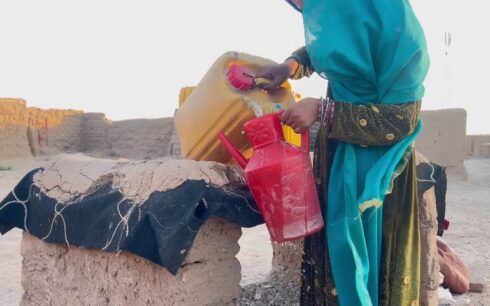
The needs are particularly acute among female-headed households, returnees and internally displaced people, the report said.
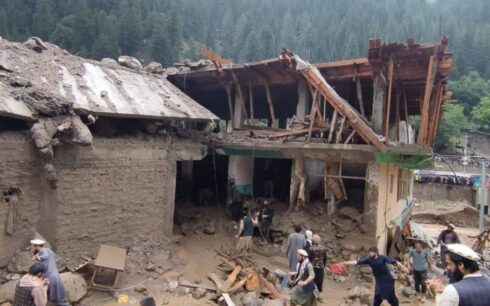
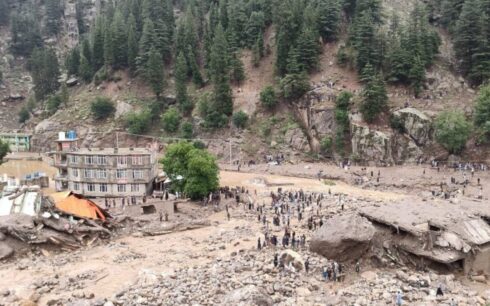
OCHA said that in 2025 alone, more than 15,000 people were affected by floods and heavy rainfall, with about 90% still living in tents or damaged homes because of limited resources.
More than 4 million people have returned to Afghanistan in recent years, nearly half of them since January 2025. About 24% of returning families identified shelter as their most urgent need, the report added.
Despite a reduction in informal settlements over the past two years, around 390,000 households continue to live in nearly 900 informal sites nationwide, many of them hosting recent returnees, particularly from Pakistan.
Gender disparities in access to shelter have widened, OCHA said, citing the 2025 Whole of Afghanistan Assessment. About 15% of female-headed households live in inadequate shelter, compared with 12% of male-headed households, and face higher risks of eviction and rental insecurity.
OCHA warned that Afghanistan’s vulnerability to earthquakes, floods and landslides is expected to increase in 2026 and that without adequate funding, hundreds of thousands of people could be left without critical shelter and winter assistance.
Funding shortfalls would pose heightened risks for women, children and people with disabilities, the agency said.
Under current planning, the UN’s emergency shelter and non-food items cluster aims to assist about 880,000 people across all 34 provinces in 2026 through emergency and temporary shelter, winter assistance, household items and shelter repairs.
OCHA said protection of vulnerable groups, particularly women and girls, would remain central to humanitarian efforts, warning that without sustained international support, Afghanistan’s shelter crisis could worsen significantly.