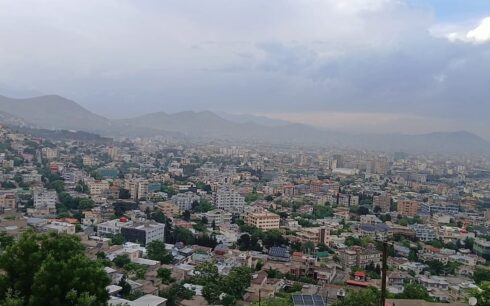
The United Nations Human Settlements Program said on Wednesday that half of Afghanistan’s population is expected to live in urban areas by 2060, describing the trend as a rapid transformation over a relatively short period.
In a post on X, the agency said the shift presents an opportunity that should be turned into a driver of sustainable development, economic growth and improved living standards.
UN-Habitat has previously said urbanisation in Afghanistan is accelerating at an unprecedented pace, while the country’s cities lack the infrastructure needed to absorb the growing population.
According to the agency, only one in 20 Afghans lived in cities in 1950. By 2022, that figure had risen to one in four.
In earlier reports, UN-Habitat warned that weak urban planning and poor governance have fuelled the rapid expansion of informal settlements across Afghanistan. Without adequate management and investment, rising urban populations could worsen housing shortages, strain access to basic services and deepen urban poverty.
Afghanistan remains one of the least urbanised countries in Asia, but prolonged conflict, climate pressures and economic hardship are driving migration from rural areas to cities under the Taliban.