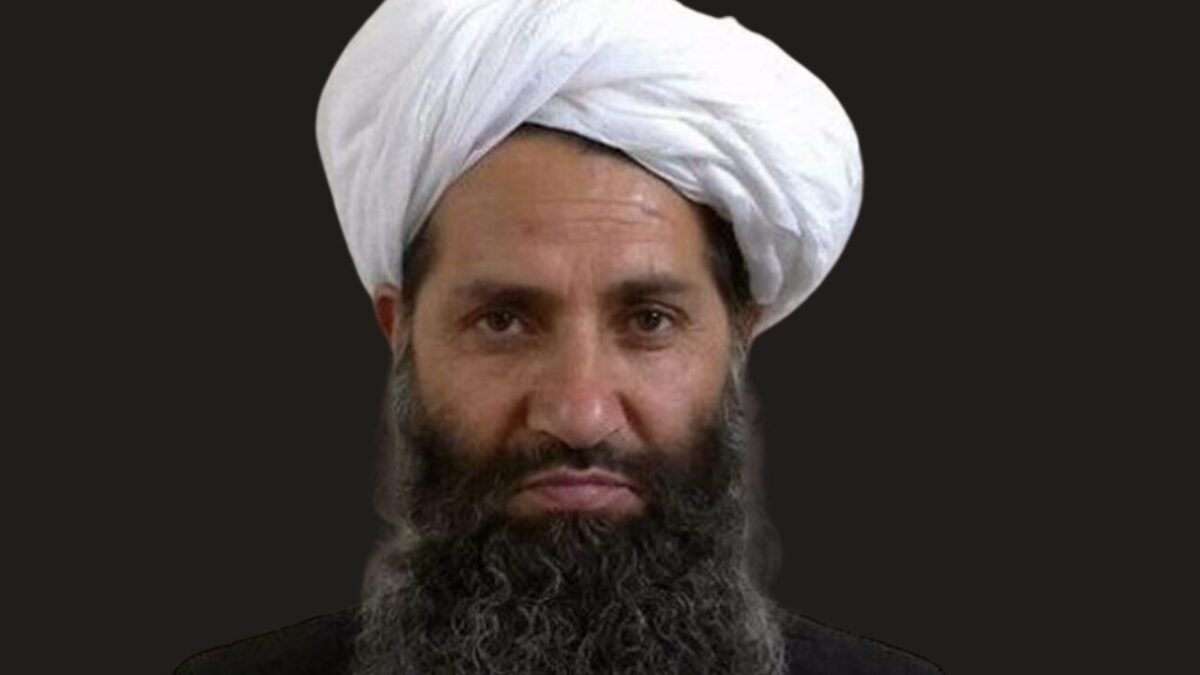
Taliban supreme leader Hibatullah Akhundzada has issued a decree banning what he described as unfounded accusations and public criticism of Taliban officials by citizens and the media, warning that violators would face punishment.
In the order, Akhundzada said criticism he deemed “baseless” or “detached from reality” was prohibited under his interpretation of Islamic teachings and would be subject to penalties.
The decree says anyone who insults Taliban officials or damages their clothing would be punished and required to compensate for any damage. It also states that individuals who insult or disrupt courts during judicial proceedings could face prosecution unless pardoned by the court.
Akhundzada said the order applies to all people, Taliban members and media organisations and is enforceable under Islamic law.
The Taliban have faced repeated accusations from rights groups and activists of abusing civilians, including allegations of mistreatment, torture, insults and humiliation during enforcement of rules and security operations.
Human rights organisations have previously said Taliban fighters often apply the group’s strict orders based on personal interpretations, leading in some cases to beatings, harassment and intimidation of civilians.
The decree comes as Akhundzada has consolidated power through a series of edicts that have severely restricted the rights of women and girls since the Taliban returned to power in 2021. These include bans on secondary and higher education for girls, restrictions on women working for non-governmental organisations and the United Nations, limits on women’s movement without a male guardian, and rules governing dress and public behaviour.
The Taliban say their policies comply with Islamic law, but the measures have drawn widespread international condemnation and contributed to Afghanistan’s diplomatic isolation, with foreign governments and aid agencies warning that restrictions on women have deepened the country’s humanitarian and economic crisis.