Residents of Chak district in central Afghanistan say unexploded ordnance left over from years of conflict poses a serious threat to civilians, particularly children, and has disrupted daily life by damaging roads and access to healthcare.
Villagers told Amu TV that mines and other unexploded devices are scattered along main roads, rural paths and residential areas, and have killed and injured children in recent years. They urged mine clearance organisations to step up operations in the area.
“Mine clearance teams need to come here and see the situation for themselves,” said Sardar Gul, a resident of Maidan Wardak. “Mines and unexploded materials are still here and they injure and kill people. This area must be cleared.”
Other residents said Maidan Wardak had witnessed heavy fighting over the past two decades and that remnants of the conflict remain widespread.
“There were battles here involving government forces and the Taliban. The fighting was intense and this was a frontline area,” said Akhtar, another resident. “Almost everything is still left behind. When we follow our children outside, there is always danger.”
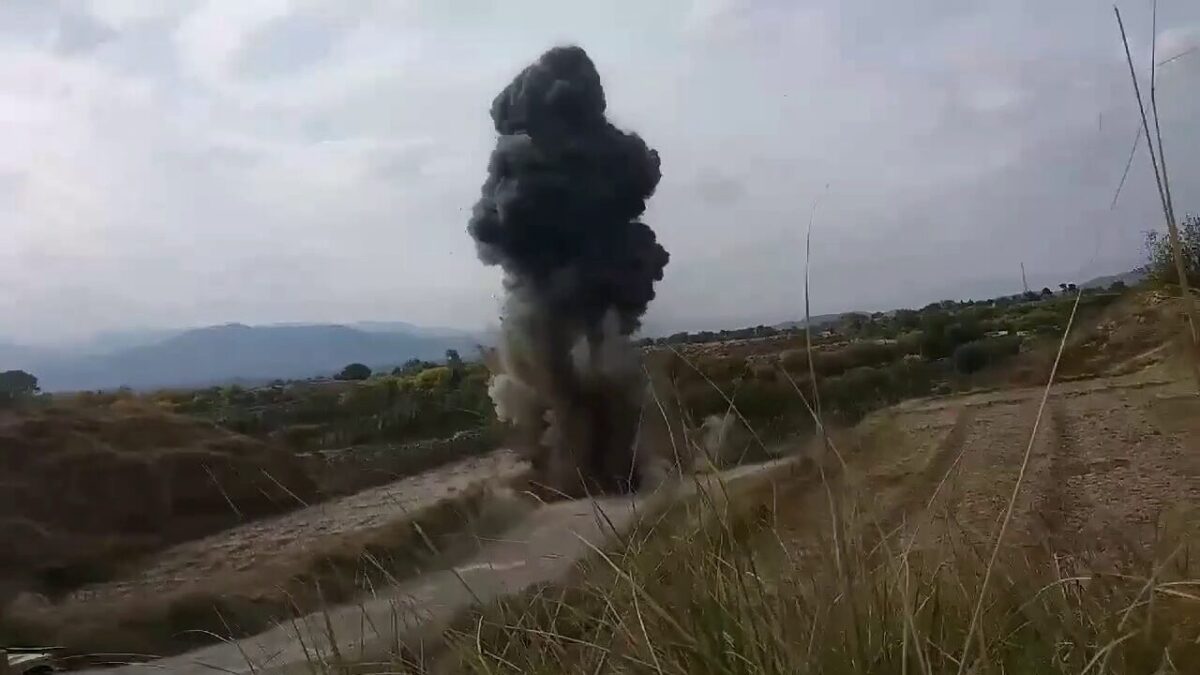
Some residents said explosions from unexploded ordnance have damaged roads, making it difficult to transport patients to hospitals.
“During the Taliban takeover, our roads were completely destroyed,” said Wali Mohammad, a local resident. “Villages face many problems. Patients cannot reach hospitals, and even women with pregnancy-related complications cannot get to medical centres or the provincial capital in time.”
Afghanistan remains one of the most mine-contaminated countries in the world. Each year, dozens of civilians — most of them children — are killed or maimed by landmines and unexploded ordnance across the country, according to humanitarian groups.
Residents of Maidan Wardak have called on demining agencies and authorities to prioritise clearance operations in the province, saying it is essential to restore safety and allow daily life to return to normal.