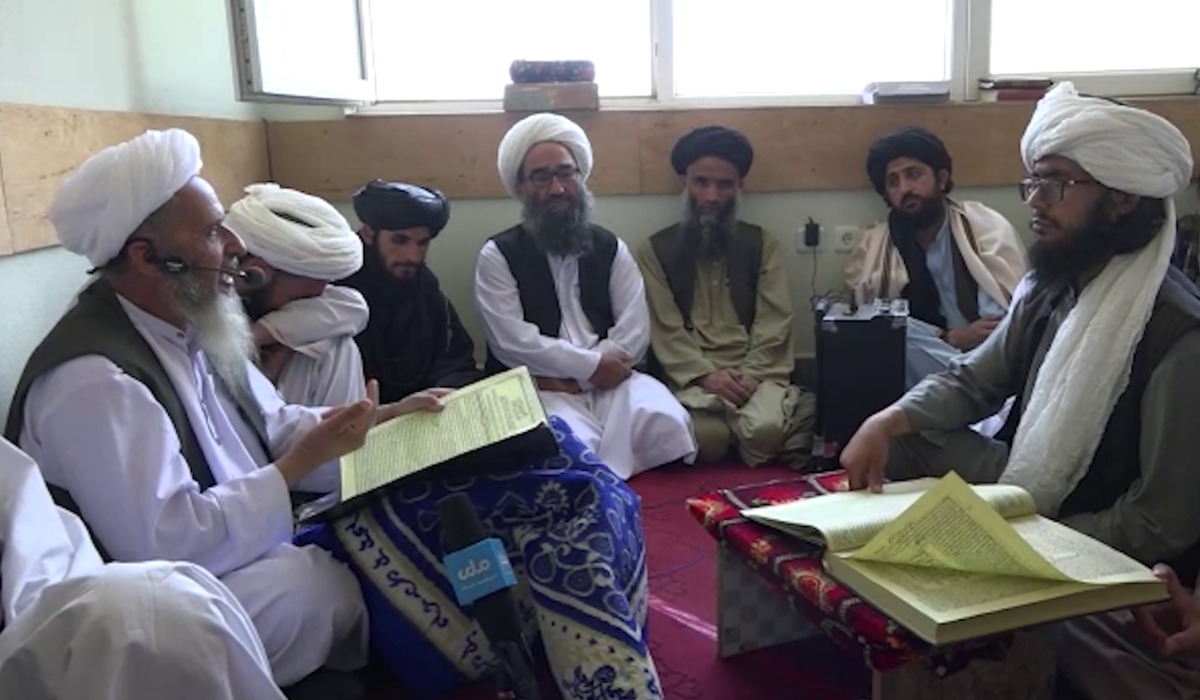
The Taliban-run higher education ministry has banned religious schools from holding independent examinations, saying graduates’ academic levels must be determined solely through official state-run tests.
The decision follows a directive by Taliban leader Hibatullah Akhundzada, the ministry said.
Taliban Higher Education Minister Neda Mohammad Nadeem told religious school administrators this week that institutions would no longer be allowed to independently assess students or designate graduates as top achievers. Instead, academic qualifications must be based on results from official examinations conducted by the ministries of education and higher education, with those results recorded on certificates.
“The aim is to prevent the issuance of fraudulent degrees,” Nadeem said, adding that only certificates registered within the official government system would be considered valid.
The move comes after reports that Taliban authorities had previously awarded bachelor’s and master’s degrees to hundreds of graduates from religious schools in Afghanistan and Pakistan.
According to those reports, Taliban-run education ministries, in coordination with jihadist madrasa authorities, held exams in religious study programmes, awarding qualifications ranging from high school completion certificates to university degrees.
Education experts have warned that many religious schools lack recognised academic standards, and that awarding higher education degrees to their graduates could undermine Afghanistan’s education system.
Some students, including those barred from university education, have criticised the policy, saying it is unfair that women remain excluded from higher education while some religious school graduates have received degrees after simplified examinations.
Since returning to power in August 2021, the Taliban have overhauled Afghanistan’s education system, saying curricula are being reshaped to align with Islamic principles. Critics say the exclusion of women, curriculum changes and the replacement of academic staff with religious figures have pushed the country’s education system into crisis.