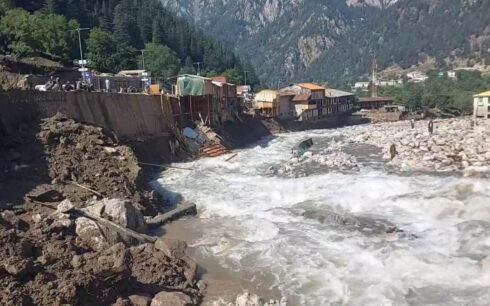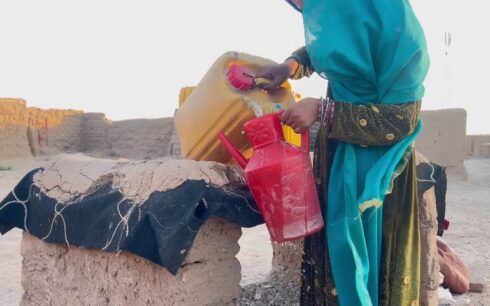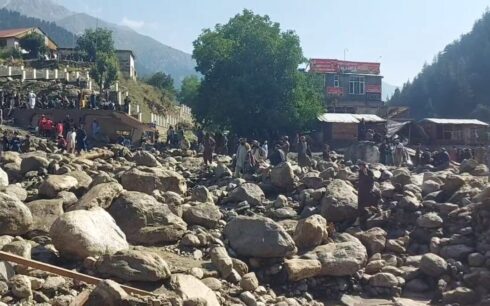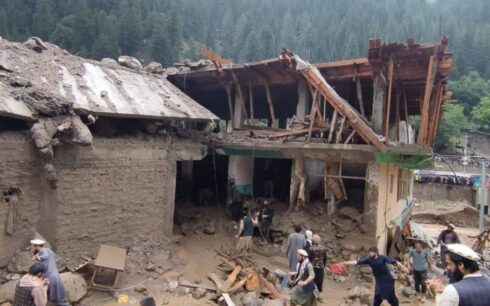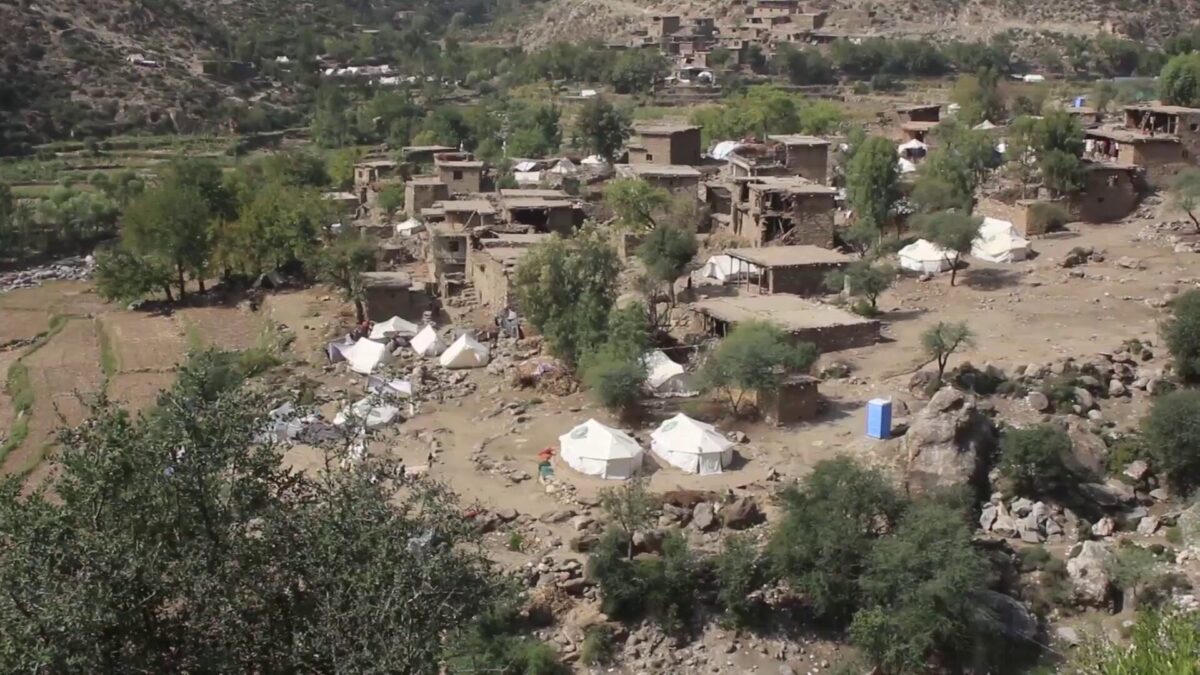
Hundreds of thousands of people in eastern Afghanistan continue to need humanitarian assistance months after a powerful earthquake struck the region, the United Nations Office for the Coordination of Humanitarian Affairs (OCHA) said, warning that funding shortfalls risk undermining recovery efforts as winter deepens.
A strong earthquake that hit parts of Nangarhar and Kunar provinces in late August killed more than 2,100 people and damaged or destroyed tens of thousands of homes. Nearly half a million people were affected, with more than 220,000 assessed to be in acute need of assistance, according to an OCHA overview of the earthquake response published on Dec. 11.
OCHA said the disaster compounded existing vulnerabilities in a country already grappling with widespread poverty, food insecurity and reduced international assistance. Many families lost homes, livelihoods and access to basic services, leaving them exposed to harsh winter conditions.
Humanitarian partners have reached more than 320,000 people so far with emergency assistance, including food aid, health services, shelter support and water and sanitation assistance, OCHA said. Food assistance reached more than 88,000 people, while health services were provided to nearly 140,000 people in the affected areas.
Despite progress, funding remains far below requirements. Of more than $110 million needed for the earthquake response, only about one-third has been secured, leaving major gaps in shelter, protection and health services, OCHA said.
Emergency shelter and non-food items remain among the most underfunded sectors, with many families whose homes were destroyed or severely damaged still lacking adequate housing. Protection services for vulnerable groups, including women and children, have also received less than half of required funding, the agency said.
OCHA warned that additional resources are urgently needed to prevent further deterioration in living conditions and to support recovery in quake-hit communities, particularly as Afghanistan faces reduced donor funding and continued economic strain.