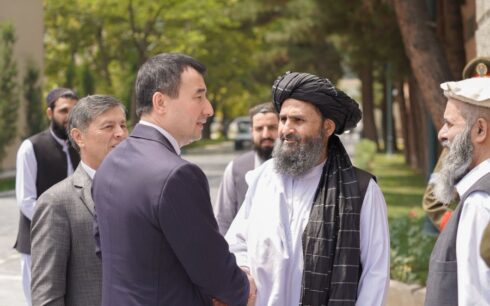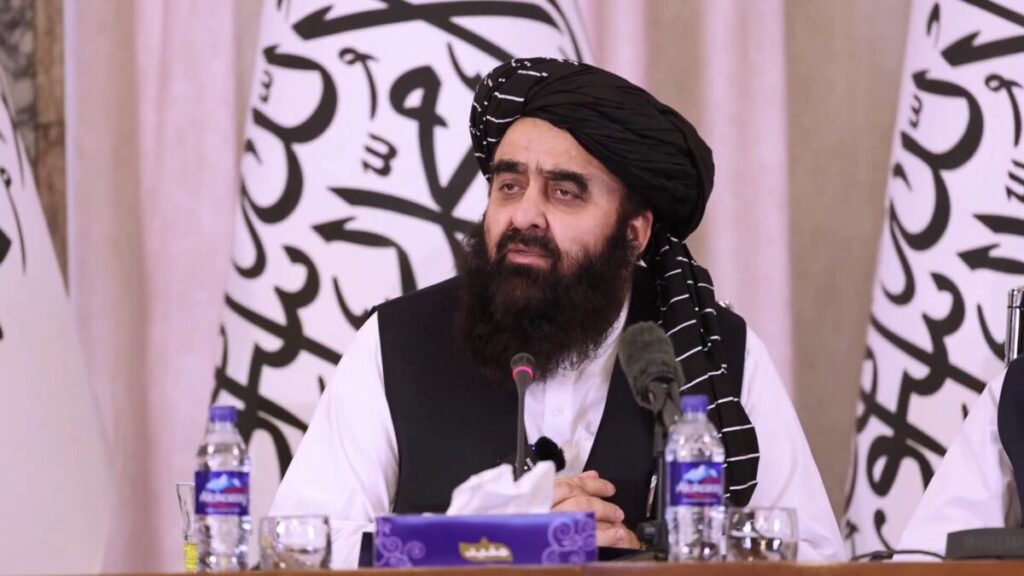
Amir Khan Muttaqi, the Taliban’s foreign minister, in a meeting with UN officials in Kabul said humanitarian aid efforts in Afghanistan should not be entangled with political considerations.
His remarks come as Taliban have banned women from working in aid agencies, including UN.
Speaking at the fifth coordination meeting between the Taliban and United Nations agencies in Kabul, Muttaqi said that while UN officials in the country often claimed to separate humanitarian work from political agendas, their actions did not reflect that stance.
“Humanitarian issues are being linked with political matters, which harms the aid process and weakens cooperation,” Muttaqi said. “The Islamic Emirate has facilitated humanitarian access across Afghanistan and has a clear policy that aid should not be politicized. Some parties tell us otherwise, but their actions contradict their words.”
Taliban face mounting international criticism for barring women from working with UN agencies and non-governmental organizations — restrictions the UN says are severely hampering humanitarian operations.
Earlier this month, UNAMA confirmed that UN agencies have suspended operations at the Islam Qala border crossing in western Herat Province as of Nov. 4, following new limitations on female humanitarian workers.
“These restrictions pose immediate operational challenges and heighten risks for returnees, particularly women and girls,” the UN said in the statement.
According to UN data, more than 60 percent of returnees arriving through Islam Qala are women and children. Of every ten families crossing the border, three are headed by women — a demographic the UN says it cannot adequately serve without the presence of female staff.
Moreover, Muttaqi indirectly criticized Pakistan, describing the treatment of Afghan migrants by neighboring countries as “inhumane.” He referred to recent waves of forced deportations from Pakistan amid strained political relations between the two governments.
“As winter sets in, Afghan refugees are being forced to leave their homes, only to find border crossings shut and reentry denied,” he said. “Such actions reflect a disregard for humanitarian principles.”
Pakistan has intensified the deportations since the beginning of November. Figures by the Taliban show Pakistan deports at least 7,000 migrants on a daily basis.