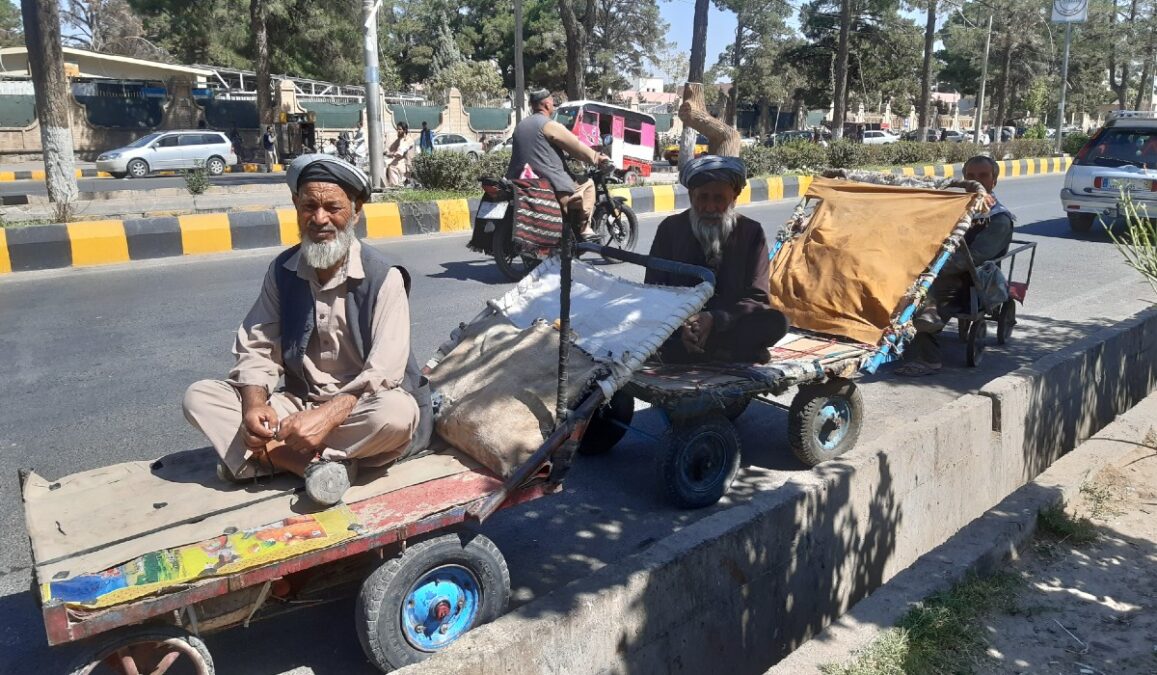
The United Nations Development Programme (UNDP) in its findings, released in the 2025 Global Multidimensional Poverty Index (MPI) report on Thursday, says that 64.9% of Afghans live in multidimensional poverty. An additional 19.9% are considered vulnerable to falling into poverty.
Afghanistan’s MPI value — a key indicator of the depth and prevalence of poverty — is 0.360, far higher than neighboring Pakistan (0.198) and Nepal (0.085), and well above the South Asian regional average of 0.091.
Except for Afghanistan, South Asia has shown strong poverty reduction, with the largest number of poor persons leaving poverty of any region, the report says.
The report says the intensity of deprivation — the extent to which poor individuals lack basic needs — stands at 55.5% in Afghanistan, meaning those affected are deprived in more than half of the weighted indicators used by the UN to calculate poverty.
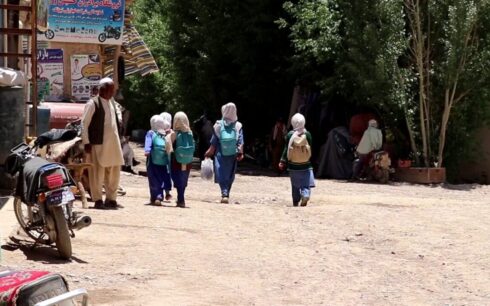
According to the report, the biggest contributor to overall poverty in Afghanistan is standard of living, which accounts for 42.5% of the deprivation, followed by education (33.4%) and health (24.1%). These dimensions include access to safe housing, electricity, clean water, schooling, and medical care.
Urgent need for policy action
The report urges multi-sectoral policy responses, calling for not just income support but also sustained investments in healthcare access, education quality, and infrastructure. Without integrated action, the UN warns, millions remain at risk of being trapped in poverty for generations.
Global context: Climate hazards and poverty interlinked
The broader MPI report, released jointly by UNDP and Oxford University’s Oxford Poverty and Human Development Initiative (OPHI), reveals a troubling overlap between climate hazards and poverty worldwide.
Nearly 8 in 10 people living in multidimensional poverty globally — around 887 million out of 1.1 billion people — are directly exposed to climate risks such as extreme heat, flooding, drought, or air pollution.
The 2025 edition, titled “Overlapping Hardships: Poverty and Climate Hazards”, was published ahead of the COP30 climate summit in Brazil. It emphasizes that poverty is no longer just a standalone socio-economic issue but is increasingly shaped by environmental instability and global planetary pressures.
The report highlights how climate change threatens to entrench poverty, particularly in fragile states like Afghanistan, where infrastructure is weak, governance is limited, and social safety nets are scarce.
The UNDP report calls on international actors and national governments to align poverty reduction with climate adaptation strategies to mitigate future humanitarian and economic crises.
Multidimensional poverty goes beyond traditional income-based measures to assess how people experience deprivation in several key aspects of life simultaneously. It considers indicators across three core dimensions: health (such as nutrition and child mortality), education (like years of schooling and school attendance), and standard of living (including access to electricity, clean water, sanitation, housing, and assets). A person is considered multidimensionally poor if they are deprived in at least one-third of these weighted indicators.