Years of conflict and heavy military spending have left Afghanistan poorer and more vulnerable, according to a new United Nations report that warns of the long-term economic costs of prioritizing arms over development.
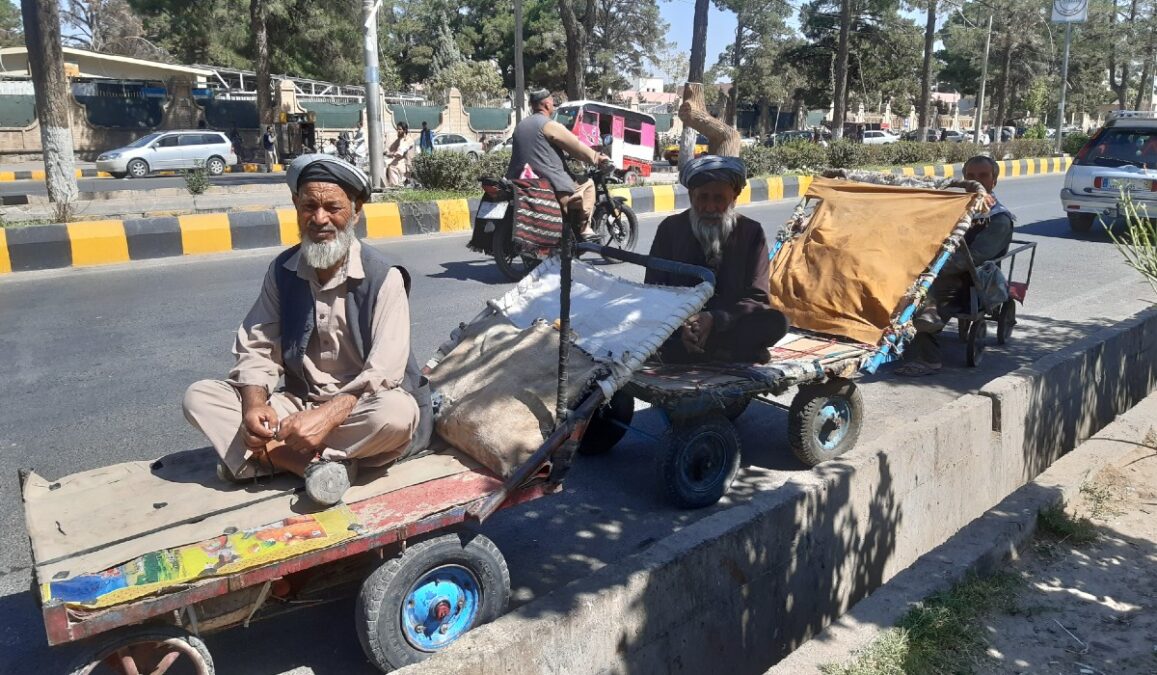
The study, “The Security We Need: Rebalancing Military Spending for a Peaceful and Sustainable Future,” highlights the sharp rise in what it calls “multidimensional poverty” in Afghanistan, a measure that includes not only income but also education, health care, housing and access to clean water.
Between 2015 and 2016, about 46.9 percent of Afghans were classified as multidimensionally poor. By 2022–23, that share had risen to 52.2 percent, according to the U.N. Development Programme (UNDP). The report attributes the increase to protracted conflict and the economic distortions created by decades of military investment.
“The incidence of multidimensional poverty is highest in conflict-affected states and three times higher than in countries without conflict,” the report said. “Conflicts both weigh on prospects for poverty reduction and instigate significant reversals in gains already made. For instance, Afghanistan concentrated on heavy military expenditure for many years — the United States alone disbursed $73 billion in military aid between 2001 and 2020, averaging around 30 percent of Afghanistan’s annual GDP. Yet after an initial stabilization, protracted conflict spurred a jump in already high levels of multidimensional poverty, from 46.9 to 52.2 percent of the population.”
The report also stresses the opportunity cost of such spending, noting that while military budgets add to GDP through salaries and operations, equivalent investments in health, education or infrastructure would have delivered stronger and more inclusive growth.
Research cited in the report shows that social programs in Europe generated more than three times their initial investment, while the multiplier effect of military spending often fell below one. Military allocations to personnel and operations, in particular, have a dampening effect on long-term growth.
“Across the globe, skyrocketing military expenditures put further strain on already fragile public finances,” Secretary General António Guterres said. “They divert critical investment away from health, education, job creation, protecting people from droughts and floods, and expanding opportunities for women and youth.”
Izumi Nakamitsu, the U.N.’s high representative for disarmament affairs, urged governments to rethink priorities. “The wealthiest nations spend 30 times more on their militaries than on climate finance for the world’s most vulnerable,” she said.
A separate report on Afghanistan’s current political, humanitarian and economic situation is expected in the coming days, ahead of a Security Council debate scheduled for next week.