Nearly 3.5 million people in 289 Afghan communities face the highest risk from cold waves this winter, according to a new report by REACH, a humanitarian initiative providing data and analysis to support evidence-based decision-making in crisis-affected contexts.
The report has raised alarms over potential losses of livestock, livelihoods and lives across the country’s mountainous heartlands.
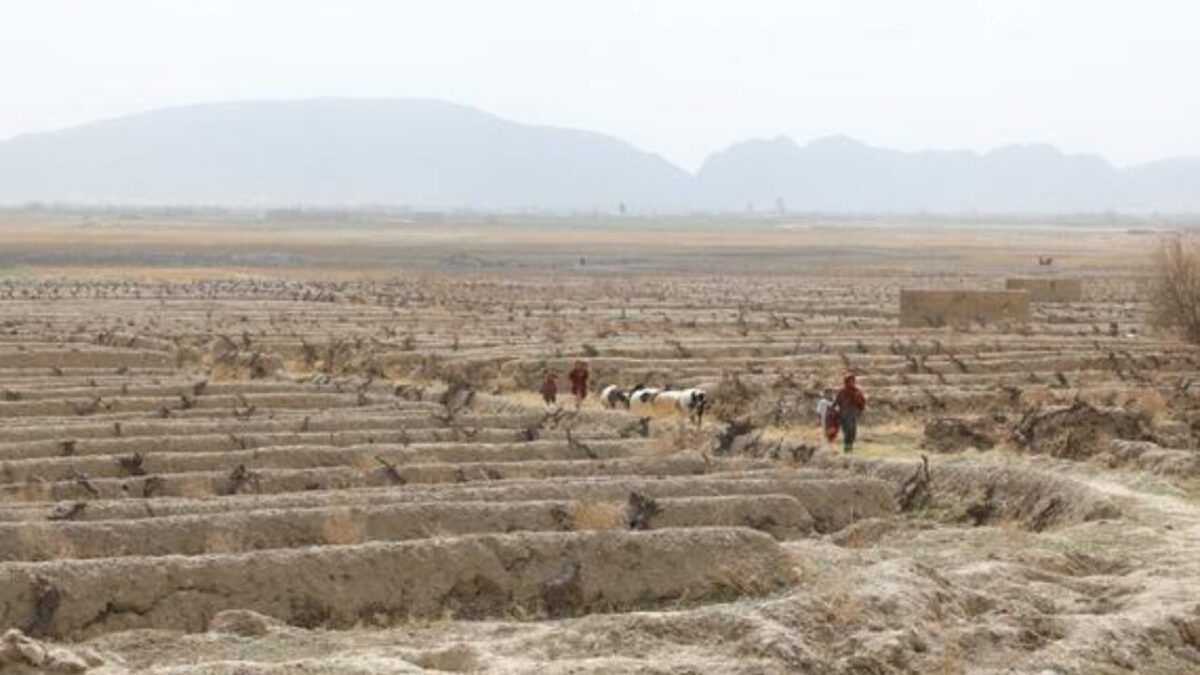
The July 2025 assessment underscores the growing threat to agro-pastoral communities, particularly in remote provinces such as Ghor, Badakhshan and Bamiyan, where fragile infrastructure and inadequate shelter leave both people and animals exposed to severe weather.
“These cold wave risks are not abstract,” the authors note. “They result in real losses — tens of thousands of livestock perishing in a single winter and dozens of human deaths.”
Focusing on the role of livestock — a vital source of food and income in rural Afghanistan — the report draws from past emergencies, including January 2023, when Ghor province alone saw the deaths of more than 70,000 animals amid temperatures dropping to minus 33 degrees Celsius.
The study maps risk based on hazard, exposure, and vulnerability, identifying over 1,300 communities beyond those at “highest risk” as also facing significant danger. Communities with fragile livestock shelters, limited winter preparedness, and poor access to markets are among the most exposed.
The most critical areas span the Central Highlands, western and northern Afghanistan, where livestock deaths could cascade into broader food insecurity, malnutrition, and economic hardship.
In addition to livestock impacts, the report highlights human exposure, citing at-risk communities in Ghor, Ghazni and Badakhshan where high population density and poor shelter conditions intersect. It recommends more detailed assessments on how cold waves endanger lives in underserved and isolated regions.
The findings are expected to inform winter preparedness efforts, including the World Food Programme’s 2025 strategy. But the report also calls for long-term investment in road access, livestock shelter improvements and localized infrastructure to reduce vulnerability in future winters.
“In the face of climate change and recurring cold wave shocks,” the report states, “resilience must be built now — through targeted investments and early preparedness — before another winter deepens Afghanistan’s already fragile humanitarian situation.”