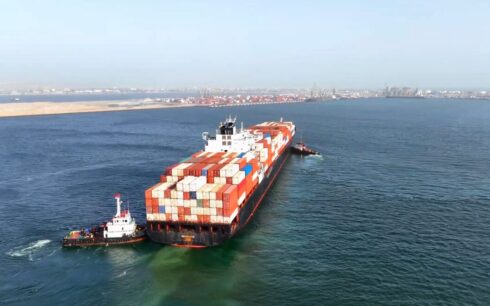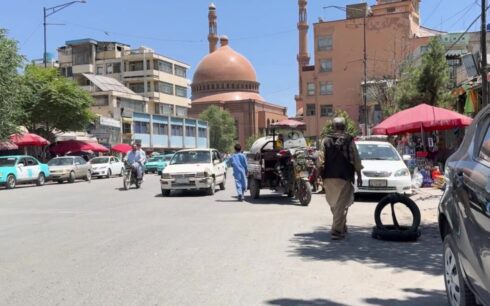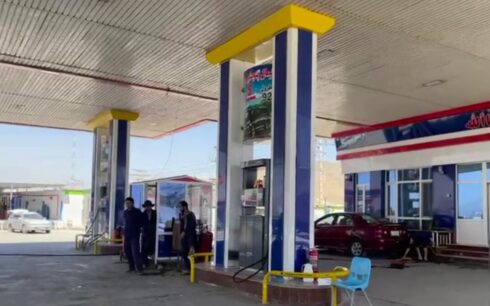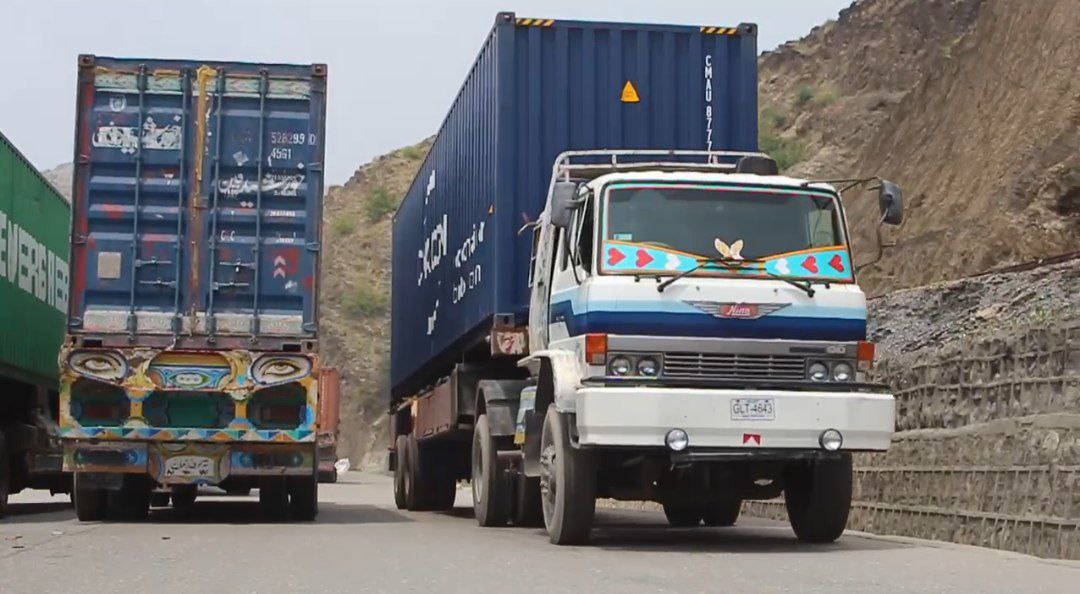
Taliban are in advanced negotiations with Russia and China to conduct bilateral trade in local currencies in a bid to reduce the country’s reliance on the U.S. dollar, Reuters reported, quoting Taliban’s acting commerce minister.
In an interview with Reuters, Nooruddin Azizi, the Taliban’s acting minister of commerce, said technical discussions were underway with Moscow to establish a mechanism for using the Russian ruble and the afghani in cross-border transactions. A similar initiative is being pursued with Beijing, he added.
“We are currently engaged in technical discussions with Russia. About 50 percent of Russian banks are under sanctions, but some are not. We want to work with those that are not sanctioned to reduce the cost of transactions,” Azizi said.
Annual trade between Afghanistan and Russia is estimated at around $300 million, much of it comprising imports of oil and plastic products. Azizi expressed hope that bilateral trade would grow through increased investment and more efficient financial channels.
He also confirmed that talks with China are progressing, supported by a joint working group made up of representatives from the Taliban-run commerce ministry and the Chinese Embassy in Kabul. The embassy, Azizi noted, currently acts as Beijing’s official economic liaison to the Taliban government.
“We are considering this issue from both regional and global perspectives, taking into account the sanctions affecting both countries and our shared economic challenges,” Azizi said. “We believe this is a promising alternative.”
Since the Taliban returned to power in August 2021, Afghanistan’s financial system has been largely cut off from the international banking network. Sanctions on Taliban leaders and the suspension of foreign aid have sharply curtailed dollar inflows, exacerbating liquidity shortages and inflation.
Afghanistan has increasingly relied on imports of gas, oil and wheat from Russia since 2022. Azizi said shifting to local currency trade could help stabilize the economy over the long term and reduce costs for Afghan businesses and consumers.