Taliban rejected criticism from the Organization of Islamic Cooperation over restrictions on women and girls, insisting that women’s rights in Afghanistan are protected under Islamic law and not defined by international organizations or what they described as Western values.
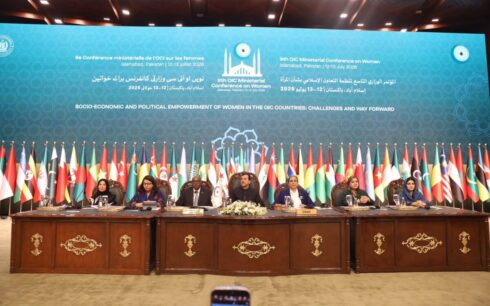
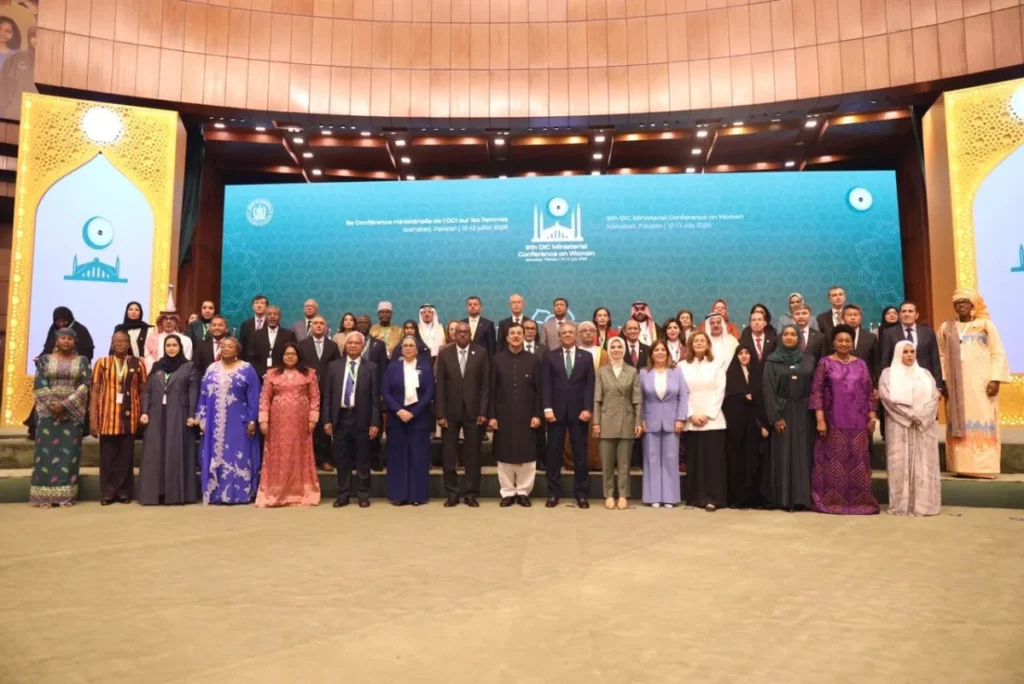
The response came after ministers from OIC member states concluded a two-day conference on women’s empowerment in Islamabad, where they adopted the Islamabad Declaration expressing “deep concern” over the continued ban on girls’ education and restrictions on women’s employment in Afghanistan.
The declaration said the policies were inconsistent with Islamic values that uphold the dignity, rights and advancement of women and girls.
“We express deep concern over the continued restrictions on girls’ education and women’s employment in Afghanistan, which are inconsistent with Islamic values that safeguard the dignity, rights and progress of women and girls,” the declaration said.
In response, Zabihullah Mujahid, the Taliban’s chief spokesman, said women’s rights in Afghanistan are guaranteed under Islamic law.
He said the Taliban would not define women’s rights according to the expectations of international organizations or Western values, adding that the authorities remain committed to addressing women’s rights and needs within the framework of Sharia.
Meanwhile, Khalid Hanafi, the Taliban’s acting minister for the propagation of virtue and prevention of vice, rejected international criticism of the Taliban’s policies during a visit to Herat.
Hanafi said international advocates of human rights did not properly understand the concept of human rights and had reduced it to only a few issues. He also criticized Afghans living abroad who have spoken out against the Taliban and the ministry he leads.
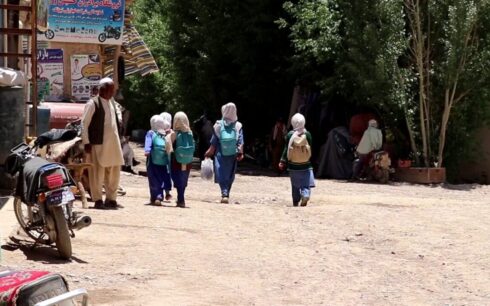
Some Afghan women and girls dismissed the Taliban’s assertions, saying they remain deprived of education, employment and many other fundamental rights.
Religious scholars have also challenged the Taliban’s interpretation of Islamic law. Some have argued that women’s education and employment are consistent with Islamic teachings and that the restrictions imposed since the Taliban returned to power have no basis in Sharia.
Since regaining power in August 2021, the Taliban have barred girls from secondary schools and universities, prohibited women from working in most government offices, nongovernmental organizations and UN agencies, and imposed sweeping restrictions on women’s participation in public life. The policies have drawn repeated criticism from Muslim-majority countries, the United Nations and international human rights organizations.