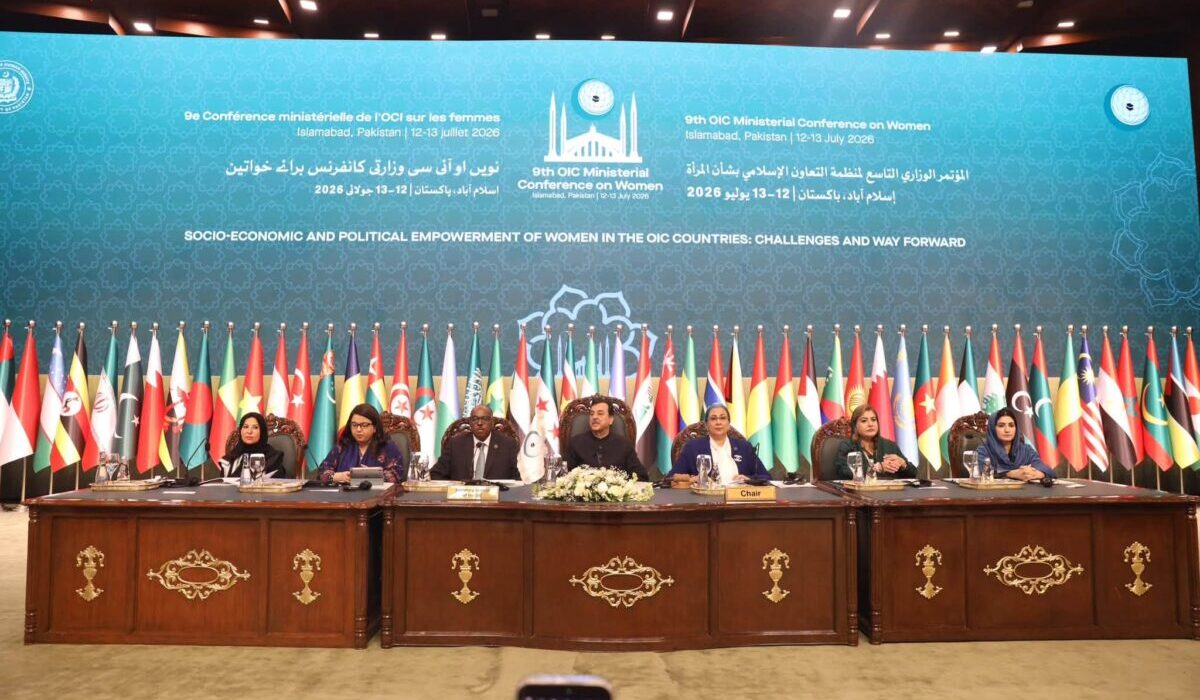
The Organization of Islamic Cooperation concluded its ninth Ministerial Conference on Women on Monday with renewed calls for member states to strengthen women’s participation in political, economic, educational and social life, describing women’s empowerment as essential to sustainable development.
The two-day conference, hosted by Pakistan’s Ministry of Human Rights in partnership with the OIC, was held under the theme, “The Social, Economic and Political Empowerment of Women in OIC Member States: Challenges and the Way Forward.”
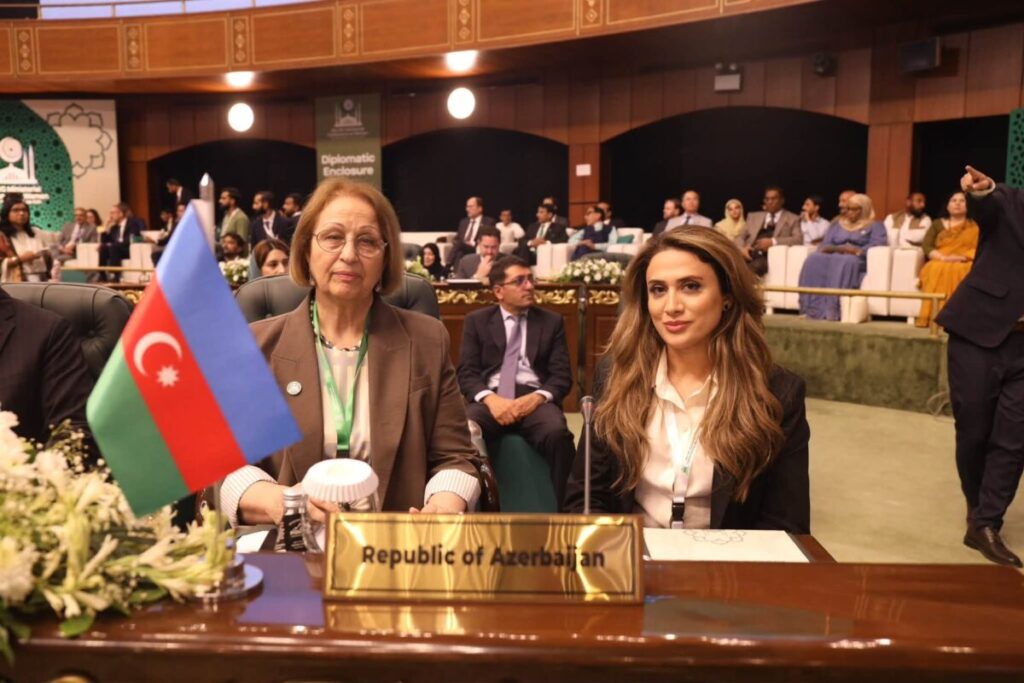
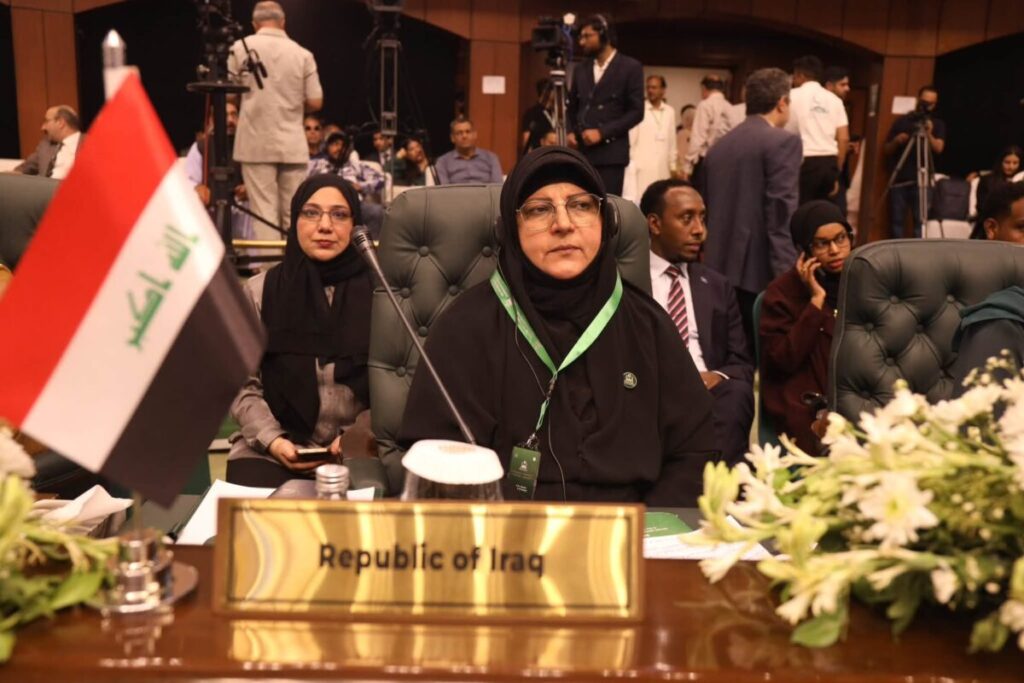
About 190 delegates from the OIC’s 57 member states, including ministers responsible for women’s and family affairs, senior government officials and observers, attended the meeting.
The conference sought to coordinate policies on women’s empowerment and build on commitments made at previous ministerial meetings, including the eighth session in Cairo in 2021.
In remarks delivered on behalf of OIC Secretary-General Hissein Brahim Taha, Assistant Secretary-General Tareg Ali Bakhit said empowering women remains a strategic priority for the organization and requires sustained political commitment and resources.
“Our responsibility does not end with adopting today’s resolution,” Bakhit said. “Its effective implementation requires continued cooperation, sufficient resources and strong, sustained political commitment.”
Pakistan’s Minister for Law and Human Rights, Azam Nazeer Tarar, said countries could not achieve lasting development while excluding women from public life.
“We recognize that millions of women and girls continue to face barriers that limit their opportunities and prevent them from fully contributing to the development of their countries,” he said. “Our responsibility is not merely to acknowledge these realities but to change them.”
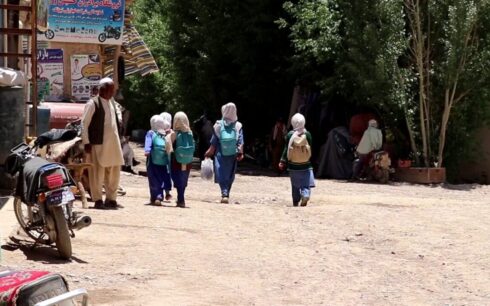
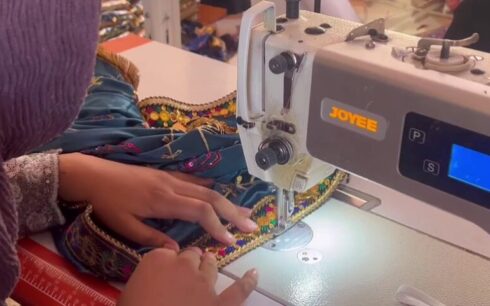
Although Tarar did not mention Afghanistan by name, his remarks came as Afghan women and girls continue to face some of the world’s most extensive restrictions on education, employment and public life under the Taliban.
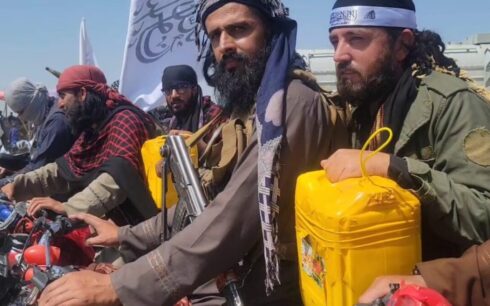
Since returning to power in 2021, the Taliban have barred girls from secondary schools and universities, restricted women from working in many sectors and excluded women from senior government positions.
Some Afghan religious scholars argue that Islam supports women’s participation in society.
“God created women with dignity and honor,” said Waliullah Labib, an Afghan religious scholar. “That is why they have responsibilities and roles to fulfill in society.”
The conference also elected new members to the OIC Women’s Advisory Council and adopted a comprehensive resolution intended to guide the organization’s future policies and programs on women’s empowerment.
Delegates concluded the meeting by adopting the Islamabad Declaration on Women’s Empowerment, which describes women’s participation as a cornerstone of sustainable development and calls for closer cooperation among member states to expand access to education, health care, employment, entrepreneurship, financial services, technology and digital opportunities.