A new report by Reporters Without Borders (RSF) has found that 677 Afghan journalists were forced into exile between 2021 and 2025, nearly half of the 1,468 journalists worldwide whom the organization assisted after they fled threats, imprisonment or the risk of death.
Scattered across 28 countries, Afghan journalists now represent what RSF describes as one of the largest exoduses of independent media professionals in recent history.
No other country comes close. According to the report, 160 Russian journalists and 101 journalists from Myanmar received assistance from RSF during the same period. Afghanistan alone accounted for nearly half of all cases recorded by the organization worldwide.
The findings, released ahead of World Refugee Day, underscore the profound collapse of Afghanistan’s independent media sector since the Taliban returned to power in August 2021.
“Afghanistan has become the global epicenter of journalist exile since the fall of Kabul,” RSF said.
The exodus began in the chaotic days following the Taliban takeover, when journalists, editors, photographers and media executives scrambled to leave the country amid fears of retaliation. But the departures have continued long after the withdrawal of foreign forces and the end of the evacuation effort.
RSF’s data show that the largest wave came in 2022, when 183 Afghan journalists were forced into exile. Yet the outflow has remained persistent. In 2025 alone, another 82 journalists fled Afghanistan.
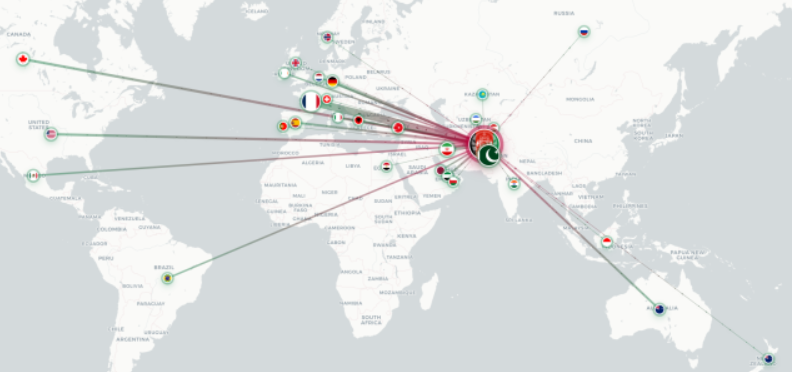
The continued departures reflect what media watchdogs describe as an increasingly restrictive environment for journalism.
Since returning to power, the Taliban have imposed broad restrictions on news coverage, curtailed critical reporting and tightened controls on the media. Journalists have been detained, interrogated and pressured over their reporting, according to rights groups.
In recent years, Taliban have expanded restrictions further, including bans on images of living beings in multiple provinces, measures that have particularly affected television stations and visual journalism.
The consequences have extended beyond individual reporters.
Hundreds of media outlets have ceased operations since 2021, according to press freedom organizations. Thousands of journalists have lost their jobs, while women journalists have been disproportionately affected by Taliban restrictions on education, employment and public participation.
For many who escaped, exile has not brought security.
RSF said Afghan journalists living abroad increasingly face deportation risks, legal uncertainty and economic hardship.
The report singles out Pakistan, which launched a large-scale deportation campaign against Afghan migrants in 2023. According to RSF, at least 50 Afghan journalists have been forcibly returned to Afghanistan since the policy was introduced.
Residence permits for Afghan journalists in Pakistan are now rarely renewed, the organization said, leaving many without legal status and vulnerable to arrest or deportation.
One Afghan journalist interviewed by RSF described being detained by Pakistani police before paying a bribe to avoid deportation. He later lost his housing after his landlord demanded that he leave the property.
The difficulties facing Afghan journalists mirror a broader trend identified by RSF.
The organization found that the number of countries from which journalists have been forced to flee has doubled over the past five years, rising from 19 countries in 2021 to 40 countries in 2025. In total, journalists from 65 countries sought RSF’s assistance during the period.
Wars, political repression, authoritarian crackdowns and organized crime have all contributed to the increase, the report said.
Yet Afghanistan remains the most striking example.
Five journalists are currently detained in Afghanistan, according to RSF’s press freedom monitoring data. Many others continue to work under strict censorship, with limited ability to report independently on politics, security or women’s rights.
The organization urged governments to strengthen protections for journalists in exile through emergency visas, long-term residency programs and safeguards against forced returns.
Without such measures, RSF warned, many journalists who escaped persecution at home may find themselves trapped in a new cycle of insecurity abroad.
For Afghan journalists, the choices have grown increasingly narrow. “Disappear from the media landscape, go into exile, or risk detention,” the report said.