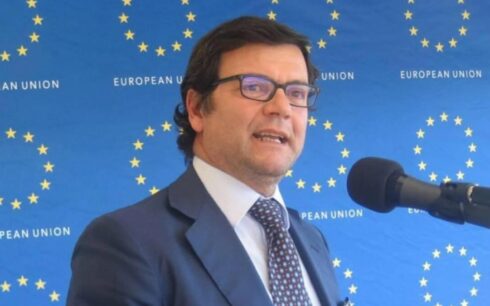
Hannah Neumann, a member of the European Parliament, has once again criticized plans to invite Taliban representatives to Brussels for talks on the return of migrants, warning that such a move would damage the European Union’s credibility and confer legitimacy on the Taliban.
In a statement posted on X, Neumann said the European Union should not host Taliban officials in Brussels, adding that doing so would strengthen the international standing of a regime that continues to impose severe restrictions on women and girls.
“The EU must not invite the Taliban to talks in Brussels,” she wrote. “By doing so, we would legitimize a regime that systematically oppresses women on the international stage. And squander our credibility.”
She added that engaging the Taliban in this manner would undermine the bloc’s commitment to human rights and democratic values.
Neumann’s remarks came after a European Commission spokesperson confirmed that the EU had sent an invitation to Taliban authorities in Kabul to participate in discussions in Brussels related to the return and deportation of Afghan migrants from Europe.
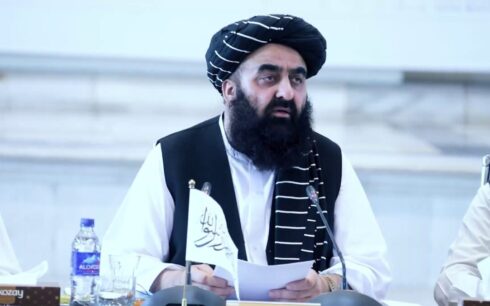
European officials have said the planned talks would focus on technical issues related to migration and repatriation, particularly the return of Afghans whose asylum claims have been rejected or who are considered security risks.
The European Union has not disclosed which Taliban officials were invited or when the meeting is expected to take place.
The planned engagement has drawn criticism from several European lawmakers and human rights advocates, who argue that inviting Taliban representatives to Brussels risks granting international legitimacy to a government that remains unrecognized by any country.
The criticism comes as the Taliban continue to face international condemnation over their treatment of women and girls. Since returning to power in August 2021, Taliban have barred girls from secondary and higher education, restricted women’s employment, limited their freedom of movement and imposed strict dress requirements.
The EU has repeatedly condemned those policies. Earlier this year, the bloc denounced what it described as the Taliban’s systematic violations of the rights of women and girls and warned that some of the measures could amount to gender-based persecution.
The EU has also imposed sanctions on senior Taliban officials, including education authorities, over their role in enforcing restrictions on girls’ education.
Neumann is among a growing number of European lawmakers who reiterate that any high-profile engagement with the Taliban risks sending the wrong message to Afghan women, civil society activists and others affected by the Taliban’s policies.