The European Commission on Tuesday confirmed that it had invited Taliban officials to Brussels for talks on the return of Afghan migrants from Europe, amid growing political pressure across the continent to tighten deportation policies.
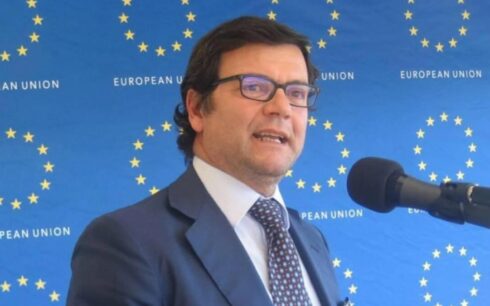
Markus Lammert, a spokesman for the European Commission, said a formal invitation had been sent to Taliban authorities by the European Union’s Directorate-General for Migration and Home Affairs in coordination with Sweden’s Justice Ministry.
Speaking at a news briefing in Brussels, Lammert described the proposed gathering as a “technical-level meeting” that would follow earlier talks held in Afghanistan in January between European officials and Taliban representatives.
He said the initiative stemmed from requests by about 20 European Union and Schengen-area countries that had urged the European Commission to coordinate contacts with Taliban authorities regarding migrant returns.
Lammert said the discussions would initially focus on individuals considered security threats.
At the same time, he rejected suggestions that hosting Taliban representatives in Brussels would amount to formal recognition of the Taliban rule.
“The European Union has been mandated by the Council to maintain operational engagement with the de facto authorities in Afghanistan,” he said. “This in no way constitutes recognition.”
The confirmation of the invitation prompted repeated questioning from journalists at the Brussels briefing, with reporters pressing officials on why the European Commission had avoided publicly confirming preparations for the meeting over recent weeks.
Journalists also asked which Taliban officials had been invited and why the talks were being hosted inside the European Union.
Lammert declined to specify which Taliban representatives had received invitations or who would finance any potential visit to Brussels.
The European push for migrant returns comes as Afghanistan faces a worsening humanitarian crisis marked by widespread poverty, unemployment and aid shortages.
Human rights groups and some UN officials have criticized growing European engagement with the Taliban on migration matters, arguing that forced returns could place Afghans at serious risk.
Several Afghan and international rights activists have previously urged European governments to suspend direct engagement with Taliban because of their restrictions on women’s rights, media freedom and political dissent.