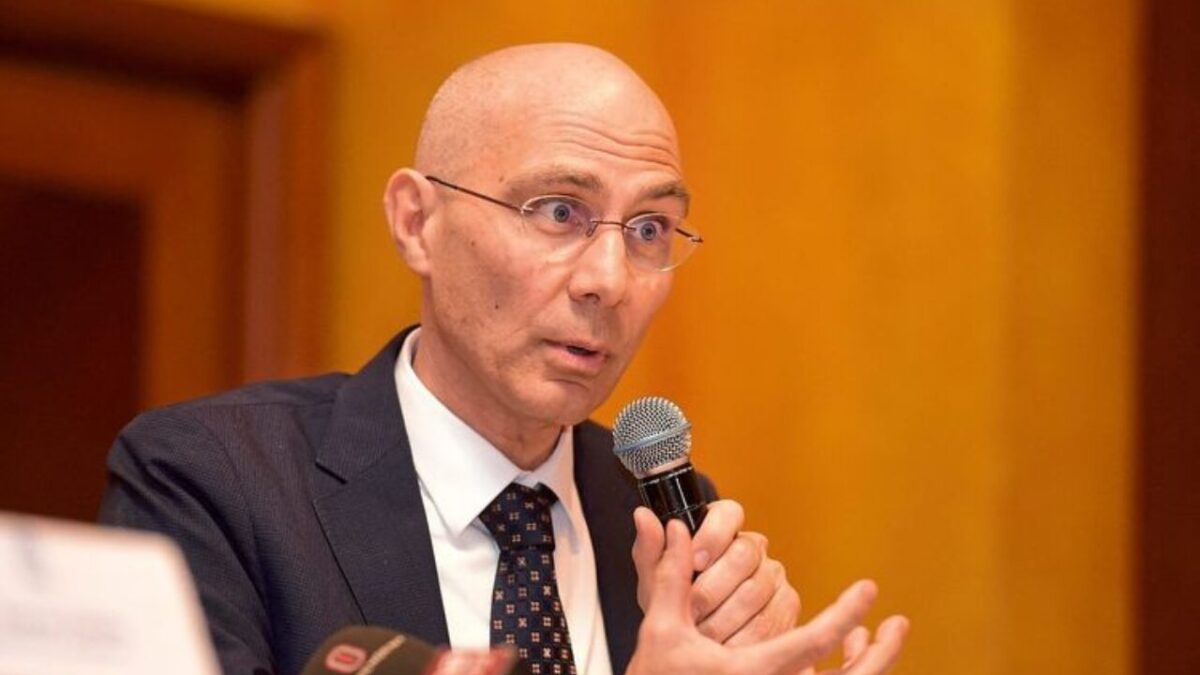
Volker Turk, the UN high commissioner for human rights, has urged Pakistan and the Taliban to halt their escalating conflict, warning that the violence is worsening an already severe humanitarian crisis.
Turk said civilians on both sides of the Afghanistan-Pakistan border were being forced to flee airstrikes, artillery fire and gun battles.
“Civilians on both sides of the border are now having to flee from airstrikes, heavy artillery fire, mortar shelling and gunfire,” Turk said in a statement. “I plead with all parties to bring an end to the conflict, and to prioritise helping those experiencing extreme hardship.”
According to UN figures, at least 56 Afghan civilians — including 24 children and six women — have been killed since the hostilities intensified last week. Another 129 people, including 41 children and 31 women, have been injured, and as many as 66,000 people have been displaced inside Afghanistan.
In Pakistan, shelling and cross-border fire have also forced residents to flee their homes. At least two schools have reportedly been struck, and more than 100 schools have been closed, according to the United Nations.
Turk called on both sides to protect civilians in accordance with international human rights law and international humanitarian law, and urged independent investigations into alleged violations.
He said the results of such investigations should be made public and that those responsible for violations must be held accountable.
The United Nations has documented civilian casualties linked to cross-border attacks for years. In 2025, UN data attributed 87 civilian deaths and 518 injuries in Afghanistan to Pakistani military forces, the highest annual toll recorded since the United Nations began tracking such incidents in 2009.
Since the beginning of this year, 69 civilians have been killed and 141 injured in Afghanistan in similar incidents, according to UN figures.
The conflict is unfolding as Afghanistan faces a deep humanitarian crisis. Nearly 22 million people — almost half the country’s population — require humanitarian assistance, including more than 11.6 million children, the United Nations says.
At the same time, migration pressures are adding strain. More than 2 million Afghans have returned to Afghanistan since Pakistan began implementing its Illegal Foreigners Repatriation Plan in September 2023, while nearly 2 million others remain in Pakistan, many facing hardship and the threat of deportation.
“As a result of the violence, humanitarian assistance is unable to reach many of those desperately in need,” Turk said. “This is piling misery on misery.”
The UN rights chief also warned that the cycle of retaliation between the two sides was deepening the suffering of civilians.
“I urge both Afghanistan and Pakistan to de-escalate and address the security issues they each face through dialogue, negotiation and mutual cooperation,” he said.