The Special Inspector General for Afghanistan Reconstruction (SIGAR) has said that nearly $30 billion in American funds were wasted, stolen or misused during two decades of US involvement, concluding that Washington’s $145 billion state-building effort delivered only limited and fragile gains.
In its final comprehensive review before it closes next year, SIGAR said it had identified 1,327 cases of waste, fraud and abuse between 2002 and 2021, totaling between $26 billion and $29.2 billion, most of it classified as waste.
The United States spent about $144.7 billion on reconstruction, including $90.5 billion to build Afghan security forces, $36.3 billion on governance and development, and $4.3 billion on humanitarian aid. But SIGAR said many projects were overly ambitious, rushed, or unsustainable and collapsed after the US withdrawal in August 2021.
SIGAR said US agencies pursued goals that were “far too large and long-term,” operating under political and military timelines that encouraged “quick fixes” and rapid spending rather than effective planning. Billions went to projects that were unneeded, never used, or impossible for Afghan institutions to maintain.
Examples included $486 million on 20 Italian-built G222 transport planes that were barely used before being scrapped, a $335 million diesel power plant that struggled to operate, and $7.3 billion spent on counternarcotics efforts that failed to curb Afghanistan’s opium production.
The watchdog said corruption in Afghan institutions and in US-funded programs remained “pervasive and corrosive,” feeding patronage networks and undercutting public confidence. Neither Washington nor the former Afghan government did enough to confront the problem, SIGAR said, contributing to the rapid collapse of the US-backed republic in 2021.
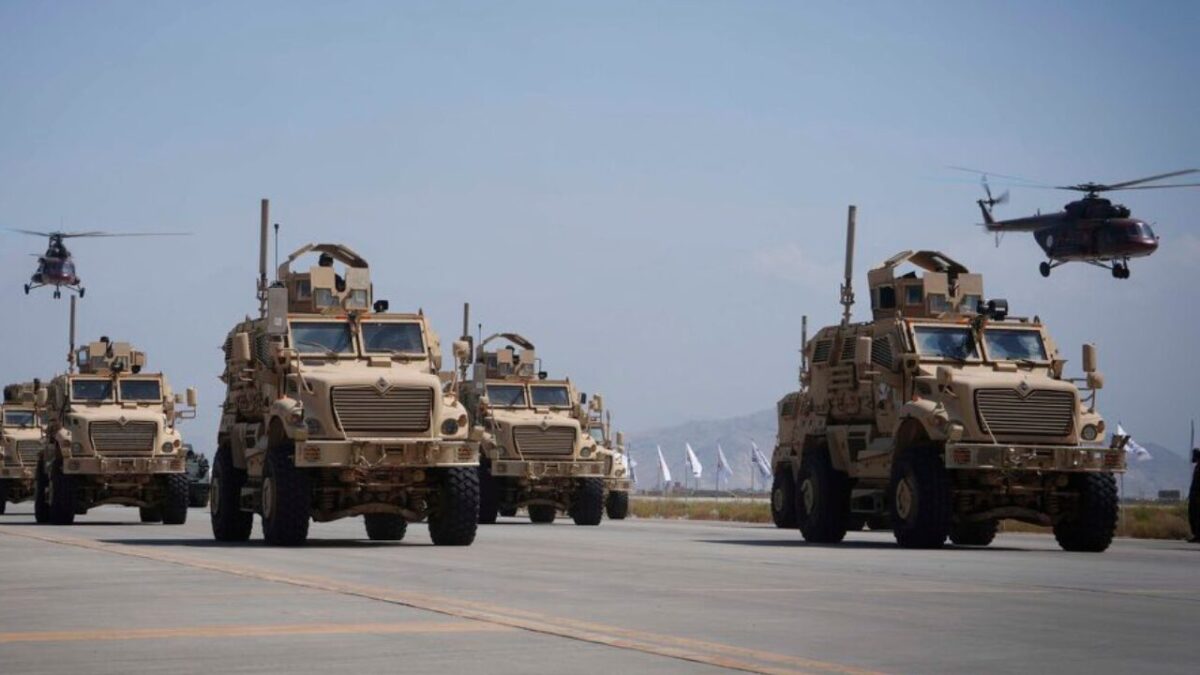
Efforts to build Afghan security forces were weakened by inflated troop rolls, reliance on foreign contractors and equipment the forces could not maintain. The report said Afghan forces were structured around “high levels of technical support that disappeared almost overnight” when US troops left, contributing to their swift defeat by the Taliban.
SIGAR noted short-term improvements in areas such as education, media freedoms and public health, but said these gains were uneven, fragile and often reversible.
The watchdog said its investigations resulted in 171 criminal convictions and $1.7 billion in fines and recoveries. It said audits and suspensions prevented or redirected another $2.9 billion, generating more than $4.6 billion in financial benefits for US taxpayers.
Created by Congress in 2008, SIGAR will formally shut down on Jan. 31, 2026, under a mandate in last year’s US defense policy law.