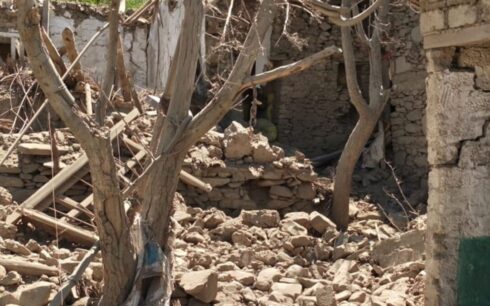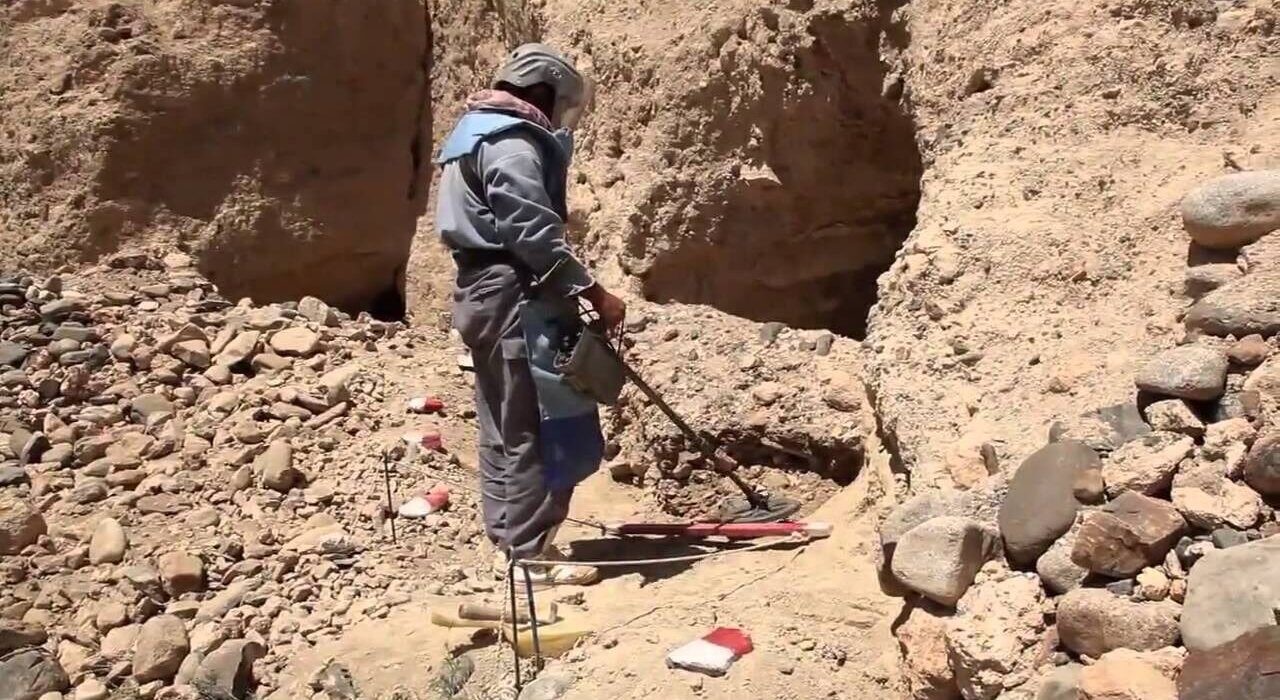
Residents in the southern province of Kandahar say unexploded ordnance left behind from decades of war continues to pose a deadly threat to civilians, particularly children, and are calling for urgent action to remove it.
The remnants of war — including landmines, mortar shells and other explosive devices — remain scattered across many parts of the province, endangering lives and severely impacting daily life.
“I stepped on a landmine eight years ago and lost both of my legs,” said Abdul Ahad, a local resident and victim of a mine explosion. He is one of thousands of Afghans who continue to live with the consequences of decades of conflict.
Samiullah, another resident of Kandahar, lost a young relative this year. “The mines have martyred our children. This boy’s brother stepped on one and died. He was just a child,” he said.
In many areas, residents say unexploded devices remain visible and accessible, and there is no government or institutional support for clearance operations.
“In our village, a rocket landed in the canal,” said Abdul Wali, another local. “I told the kids not to touch it and threw it away myself. We have no one to remove these weapons. No organization has come to help. You can see it for yourself — mortar shells and other devices are still lying around.”
Afghanistan remains one of the most heavily mined countries in the world. While clearance efforts have made progress over the years, vast areas — particularly in rural provinces like Kandahar — remain contaminated.
According to the United Nations, hundreds of civilians, many of them children, are killed or injured each year by unexploded ordnance. For families living in affected areas, the legacy of war is an ever-present danger, long after the fighting has ended.