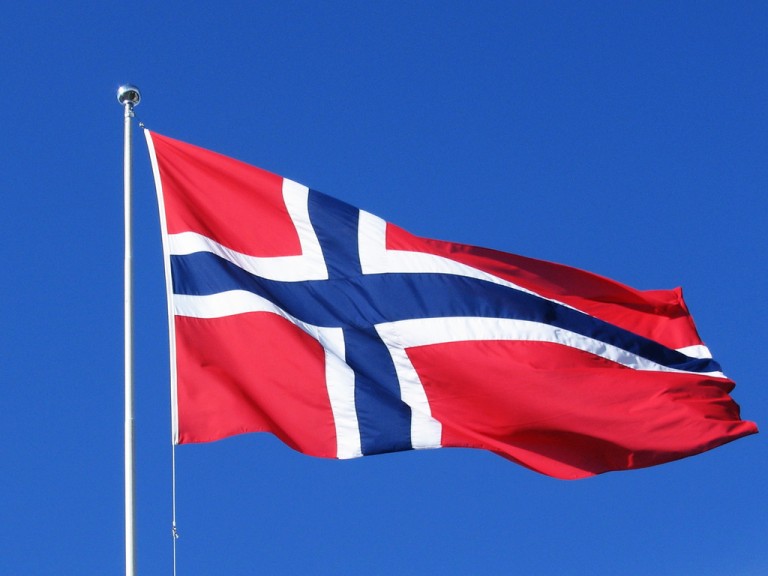
Norway’s government on Monday released a report by the Afghanistan Commission, acknowledging that the country’s nearly two decades of engagement in Afghanistan did not achieve its overarching objectives, but yielded lessons crucial for future foreign and security policy.
Foreign Minister Espen Barth Eide, speaking at the report’s launch, said the findings underscore both the “difficult challenges faced by the Afghan people” and the international community’s failures between 2015 and 2021. “We will learn from the lessons set out in the report and use this to make better decisions in future international operations and crises,” he said.
The 2024-appointed commission, chaired by former Foreign Minister Bjørn Tore Godal, was tasked with evaluating Norway’s military involvement, development aid, peace efforts, and its role in the chaotic 2021 evacuation. It followed an earlier review of Norway’s Afghanistan mission from 2001 to 2014.
One of the report’s most striking findings highlights the success of Norwegian Special Forces and Afghan Special Police in preventing 46 complex terrorist attacks in Kabul. These efforts, according to Defense Minister Tore O. Sandvik, saved countless lives and strengthened Norway’s counterterrorism capacity. “This in many ways marks the conclusion of the chapter on Afghanistan in Norwegian military history,” he said, while pledging continued support for veterans.
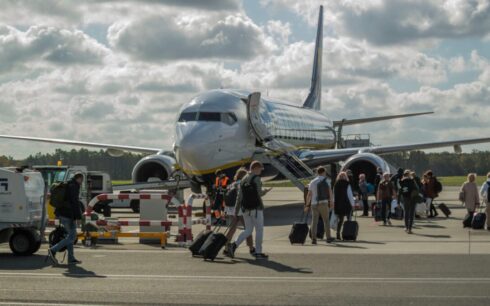
The report also reflects on the 2021 evacuation, during which Norway evacuated over 1,100 people under extreme and at times chaotic conditions. Although the commission noted areas for improvement, it praised the speed and coordination of the operation. Norway also assumed responsibility for operating the Kabul airport field hospital in the final days, a move welcomed by NATO allies.
The report does not shy away from controversy. It questions whether Norway’s efforts to engage the Taliban in peace talks were at times too accommodating. While defending the decision to keep dialogue open, Minister Eide acknowledged the criticism but emphasized the importance of inclusive diplomacy. “We assumed responsibility for maintaining dialogue with the Taliban while also engaging with the Afghan government as a step in pursuing a sustainable path forward for Afghanistan,” he said.
Perhaps most damning is the commission’s assessment that the United States and its allies — including Norway — underestimated the complexity of state-building in Afghanistan. “Building a modern democratic state from the outside is an almost impossible undertaking,” said Eide. “All the participants in the Afghanistan mission must reflect on this and learn from it.”
The report places special focus on the worsening conditions for women and girls in Afghanistan since the Taliban’s return to power. Eide reiterated Norway’s continued commitment to advocating for their rights, noting that gender equality had been a cornerstone of Norway’s engagement. “We have not abandoned Afghan women and girls,” he said.
With more than 10,000 Norwegian personnel having served in Afghanistan, the report brings a formal close to what officials describe as a defining chapter in Norway’s modern foreign policy — one that leaves behind a complex legacy and valuable, if hard-earned, lessons.