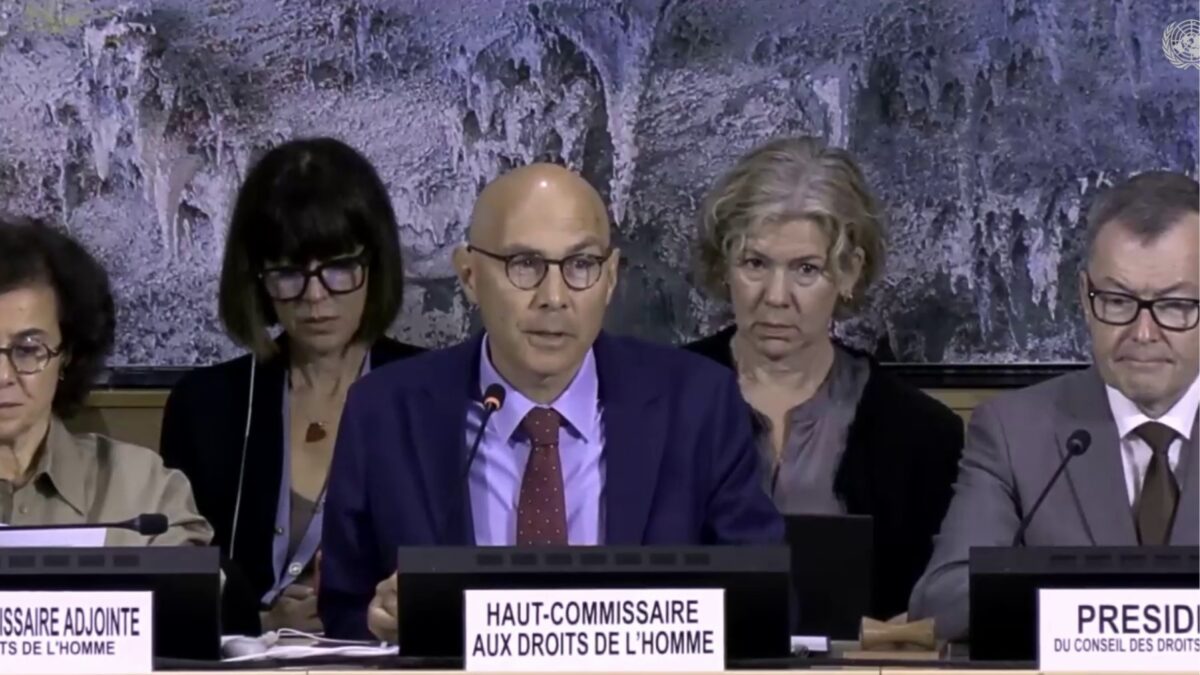
United Nations High Commissioner for Human Rights Volker Turk said on Monday that Afghanistan faces a severe rollback of fundamental rights, with women’s access to health care and other freedoms sharply restricted and maternal mortality among the world’s highest.
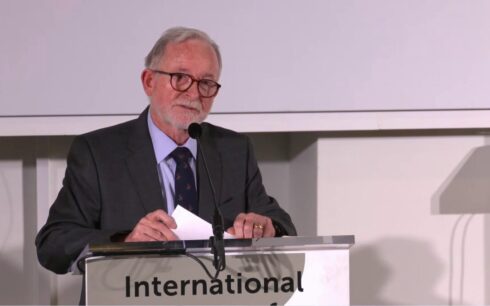
“Four years after the return of the Taliban, the erasure of women and girls from public life is almost complete,” he told the 60th session of the Human Rights Council in Geneva.
He also condemned the forced return of Afghans from neighboring countries, saying “Pakistan and Iran have forcibly returned millions of Afghans to their country,” and noted reports that India has deported groups of Rohingya Muslims by land and sea. He urged all states to uphold international law protecting refugees and asylum seekers.
Broader warnings framed his Afghanistan remarks. He said international humanitarian and human rights law are being “shredded” in conflicts worldwide, citing Russia’s war in Ukraine; mounting civilian harm in Sudan, Myanmar and the Democratic Republic of the Congo; and what he called “mass killing of Palestinian civilians in Gaza” alongside the hostage-taking and the trauma of Oct. 7 in Israel. He pressed for an immediate cease-fire, the release of hostages and detainees, and unimpeded aid to Gaza.
The high commissioner criticized governments for “disregarding, disrespecting and disengaging” from international law, citing sanctions or arrest warrants targeting International Criminal Court officials; the withdrawal of states from regional human-rights frameworks; and domestic crackdowns that shrink civic space from the Sahel to Hong Kong. He highlighted a surge in executions in several countries and called for transparency and abolition where capital punishment persists.
Calling human rights “the solid foundations of flourishing societies,” he urged states to halt arms transfers that could facilitate war crimes, recommit to multilateral cooperation, and invest in human rights education. “It is time for states to wake up, and to act,” he said.