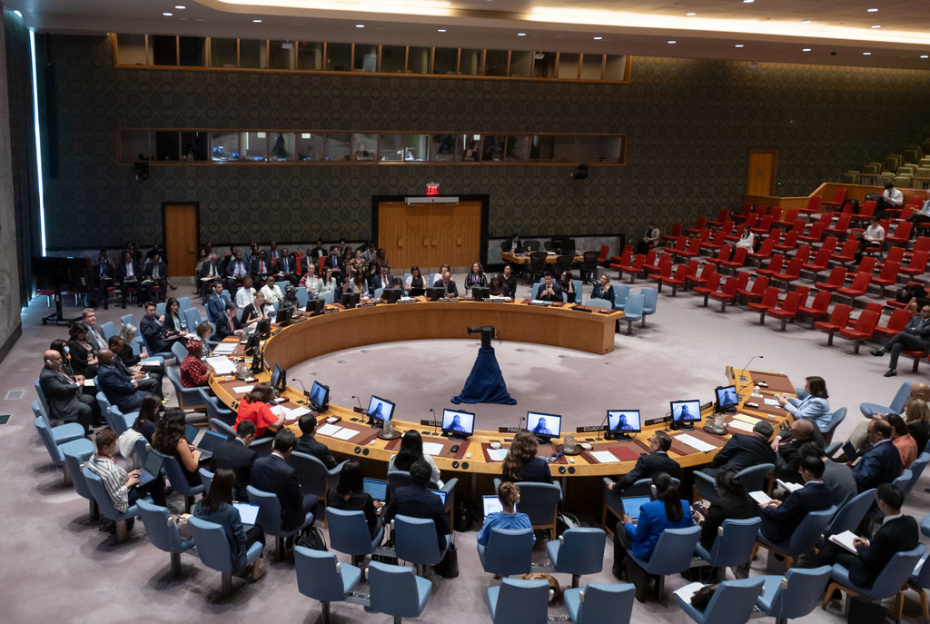
The United Nations Security Council will convene its quarterly open briefing on Afghanistan in September, with several top UN officials expected to deliver updates amid mounting humanitarian and political turmoil.
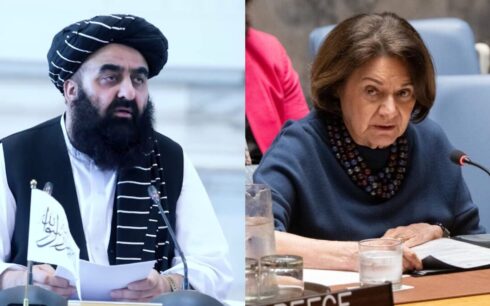
Roza Otunbayeva, the UN Secretary-General’s Special Representative and head of UNAMA (UN Assistance Mission in Afghanistan), will deliver her final briefing before concluding her term in September. She will be joined by a representative from Afghan civil society and possibly by UN High Commissioner for Human Rights Volker Türk. Closed consultations will follow the public session.
Humanitarian crisis reaches record levels
Afghanistan continues to face one of the world’s worst humanitarian crises. According to OCHA, nearly 23 million Afghans—more than half the population—will need aid this year. Food insecurity remains acute: between March and April 2025, an estimated 12.6 million people faced crisis or emergency levels of hunger.
The situation has worsened after the U.S. suspended aid on April 4. UN agencies report that funding cuts are reducing access to critical services, including healthcare and food. According to a mid-August warning from the World Food Programme, “hundreds of thousands” are being turned away from nutrition centers, and food assistance may halt almost entirely by October.
Mass returns and mounting rights concerns
More than 1.5 million Afghans have returned from Pakistan and Iran in 2025, spurred by expulsions from both countries. The flows are overwhelming humanitarian capacity, UNAMA says, and returnees—especially those forcibly repatriated—face grave risks, including torture and persecution. UN experts have condemned the returns, warning of a worsening human rights crisis. Türk called on neighboring states to stop forced deportations.
The human rights landscape has further deteriorated, particularly for women and girls. UNAMA highlighted recent arrests of women in Kabul for hijab violations and noted widespread violations of rights to work, expression and education. The UN also reported a surge in death threats against female UN staffers. In July, the International Criminal Court issued arrest warrants against Taliban leaders Haibatullah Akhundzada and Abdul Hakim Haqqani for persecuting women and political opponents.
Political dynamics shift amid Taliban overtures
In political developments, Russia became the first country to formally recognize the Taliban’s ambassador in Moscow on July 3. Meanwhile, on August 20, foreign ministers from China, Pakistan and Afghanistan met in Kabul, pledging stronger counterterrorism cooperation, deepening economic ties, and extending the China-Pakistan Economic Corridor into Afghanistan.
Security threats endure amid regional tensions
Cross-border tensions continue. Pakistan’s military reports killing dozens of militants attempting to enter from Afghanistan. Resolutions adopted by the UN General Assembly on June 27 reflect continued international interest, winning 116 votes in favor despite several abstentions and opposition from the U.S. and Israel.
Security Council divisions visible behind closed doors
While council members agree on the goal of a peaceful, inclusive Afghanistan, they disagree on strategy, according to UNSC statement.
The statement says that the U.S. and allies argue that financial and political incentives should be tied to human rights benchmarks, while China, Russia and Pakistan favor unconditional engagement and development aid.
It added that the council has yet to agree on who will lead diplomatic efforts on Afghanistan — a penholding role now contested after Japan’s departure from the council.