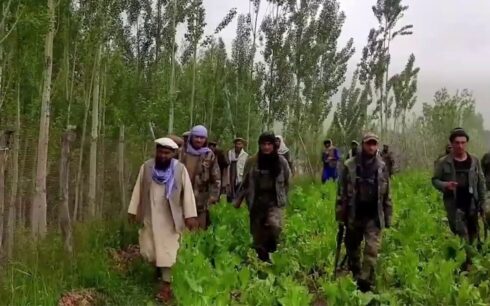
The ISIS-K continues to pose the most serious terrorist threat from Afghanistan and the wider Central Asian region, according to a United Nations report warning of the group’s resilience and regional ambitions.
In its latest assessment, the UN Secretary-General’s office said ISIS-K maintains about 2,000 fighters in Afghanistan, where it continues to recruit not only locally but also from Central Asian states, Russia’s North Caucasus, and disaffected members of other militant groups.
The group, under the leadership of Sanaullah Ghafari (also known as Shahab al-Muhajir), has prioritized attacks on Shia communities, Afghanistan’s Taliban rulers, and foreigners, the report said. While Taliban operations have diminished some of ISIS-K’s capabilities, the UN noted that the group “continued to operate with relative impunity.”
The report also pointed to Tamim Ansar al-Kurdi as head of Da’esh’s regional “Siddiq office,” which oversees ISIL-K activities and operations across Central and South Asia.
International concern is mounting over the flow of foreign terrorist fighters from Syria into Central Asia and Afghanistan, raising fears of a broader destabilization effort aimed at undermining regional security.
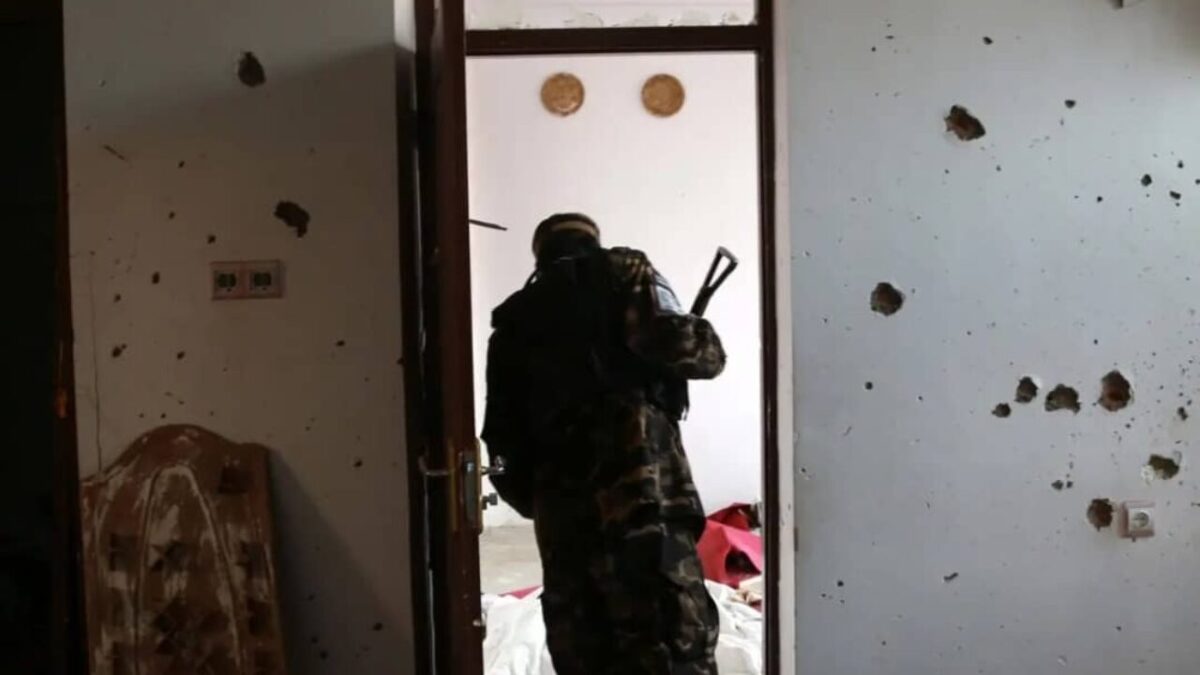
ISIS-K has claimed responsibility for some of the deadliest attacks in Afghanistan in recent years, including bombings targeting Shia mosques, Taliban checkpoints, and gatherings of civilians. The group also carried out cross-border rocket attacks into neighboring countries, heightening concerns among Afghanistan’s neighbors.
The UN report comes as Afghanistan also remains a haven for other militant groups. The Tehrik-i-Taliban Pakistan (TTP), a UN-designated terrorist organization, has nearly 6,000 fighters operating from Afghan soil, according to the report. With safe havens close to Pakistan’s border, the TTP continues to pose what Islamabad calls a “grave and immediate danger” to its national security.
The report added that there is credible evidence of collaboration between the TTP, the Balochistan Liberation Army (BLA), and the Majid Brigade, including the sharing of training camps used to plan attacks against Pakistan’s infrastructure, economic projects, and civilians.
UN officials warned that unless addressed, the combination of ISIL-K’s entrenched presence in Afghanistan and the growing activities of groups like the TTP could threaten not only Afghanistan’s fragile stability but also regional and international peace.