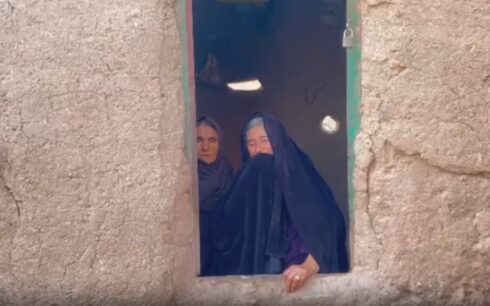
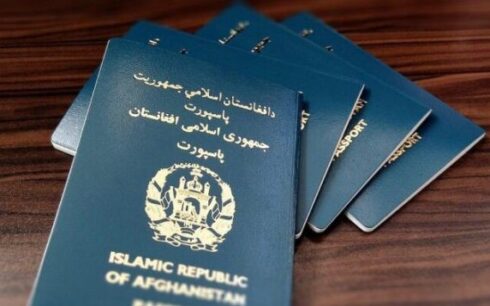
Afghan migrants recently deported from Iran say they are stranded in border provinces without the means to return to their home regions, underscoring the deepening humanitarian toll of mass expulsions from neighboring countries.
“We’ve been in limbo for years,” said Shayeqa, who was deported alongside her family. “We paid rent in Iran. Now we’re paying rent in Afghanistan. We have no home in Herat, and once again, we’re forced to rent.”
Many returnees interviewed at key crossing points said they lacked even the most basic shelter and had received little to no assistance from relevant insttitutions or international aid agencies. Some reported sleeping in the open or settling in makeshift encampments near the border.
“There is no roof over our heads,” said Maryam, another deportee. “We were homeless in Iran, and we’re still homeless — trying to survive with our children.”
While local volunteers have organized modest efforts to assist, families say their needs — especially for shelter, food and transportation — far outstrip what communities can provide.
The Taliban government, which controls much of western Afghanistan where the deportees are arriving, has not announced any formal plan for their resettlement. Humanitarian organizations have warned that the absence of housing, jobs and essential services for returnees could fuel instability in already fragile provinces.
Iran has intensified its deportation campaign in recent weeks, forcibly removing thousands of undocumented Afghans in what rights groups describe as one of the most aggressive crackdowns in years. The policy has drawn sharp criticism from international migration agencies and advocacy organizations, which have called on Tehran to immediately suspend the mass expulsions.
Advocates for migrant rights warn that many of those returning face not only economic hardship and unemployment but also potential retaliation by the Taliban. Some fear they may be targeted for having left the country or for speaking out while abroad.
“Returning migrants are being thrust into an environment where economic prospects are bleak, basic services are scarce, and some face real threats,” said a rights worker familiar with the situation, who spoke on condition of anonymity because of security concerns.
The International Organization for Migration and other aid groups have urged both regional governments and donors to support immediate humanitarian relief and develop long-term reintegration programs for deported populations.