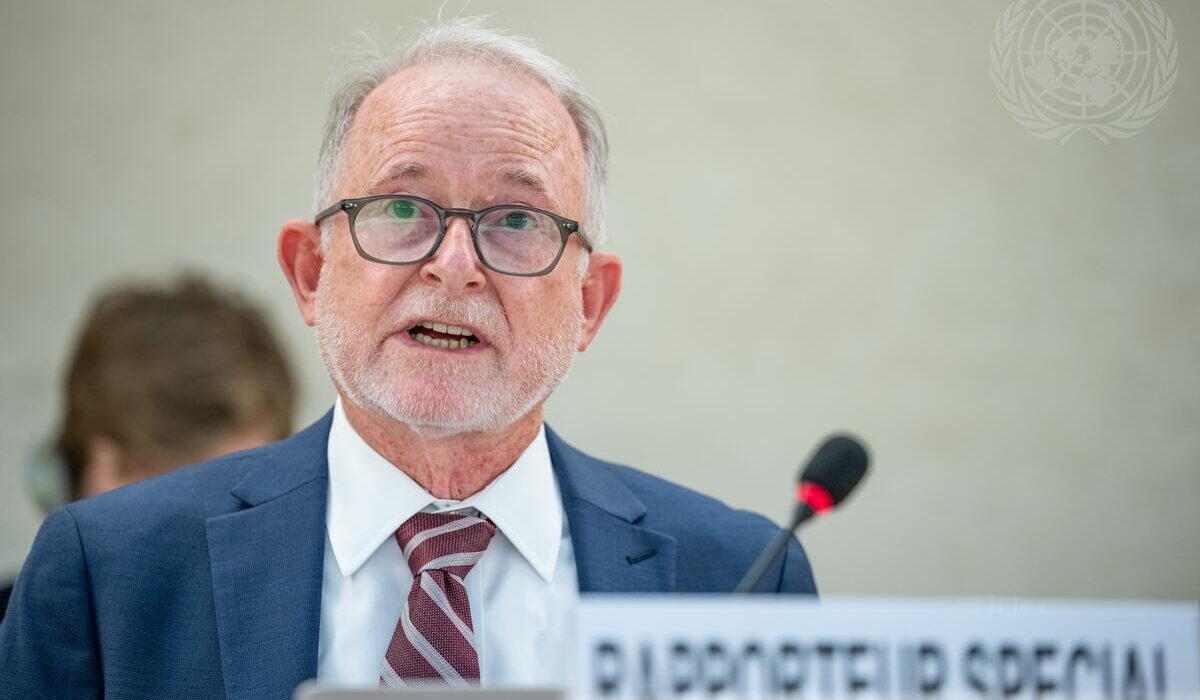
Richard Bennett, the UN Special Rapporteur on the situation of human rights in Afghanistan, warned on Thursday that Afghanistan is experiencing “the most extreme and systematic assault on gender equality of our time.” In a report to the UN General Assembly, he urged the international community to resist normalizing Taliban rule and instead take urgent, principled action to defend human rights, especially for women and girls.
Speaking in stark terms, Bennett said the global community must not allow normalization of the Taliban’s rule while egregious abuses continue. “The severity of the situation cannot be overstated,” he said. “Dismantling the Taliban’s institutionalised system of gender persecution, and addressing the country’s myriad human rights crises, demands urgent, principled and sustained international attention and action – not normalisation of the de facto authorities.”
The report presented to the General Assembly outlines a worsening situation for women and girls, who have been effectively erased from public life. The Taliban’s continued bans on female education, employment, and freedom of movement, combined with restrictions on women humanitarian workers and national UN staff, have drawn condemnation from rights groups and UN officials alike.
In addition to gender-based repression, Bennett’s report cited a surge in corporal punishments, arbitrary arrests, disappearances of former government and security officials, and the steady collapse of space for civil society and independent media. He warned that funding cuts for humanitarian operations are removing the last remaining lifelines for millions of Afghans, saying, “Cuts to humanitarian and human rights funding are stripping away the last lines of protection and support for a population already in peril.”
The UN expert also highlighted how the Taliban’s disregard for ethnic, religious, and linguistic diversity is fueling long-term instability. “The Taliban must end its discriminatory practices and ensure greater representation of marginalized communities in decision-making about Afghanistan’s future,” he said.
Bennett cautioned that the Taliban’s rigid ideological rule could radicalize a generation of Afghans growing up in poverty and despair. “What is happening in Afghanistan today will not be contained within its borders,” he said. “The consequences of inaction will be felt more widely.”
Amid ongoing deportations of Afghans from neighboring and European countries, the Rapporteur reiterated the importance of the international legal principle of non-refoulement — the prohibition against returning people to places where they may face harm. He condemned the mass returns and urged governments to prioritize protection over political expediency.
Despite the deteriorating conditions, Bennett stressed that Afghanistan must not be seen as beyond help. “Egregious human rights violations are not inevitable and must not be tolerated,” he said.
He pointed to developments in the international accountability framework, including arrest warrants issued by the International Criminal Court, the creation of an independent investigative mechanism, and growing efforts to codify gender apartheid as a crime under international law.
“Turning away now would not only betray the Afghan people — it would undermine the foundations of our shared international system,” Bennett said, urging states to recommit to long-term, sustainable support for Afghan-led and women-led initiatives.
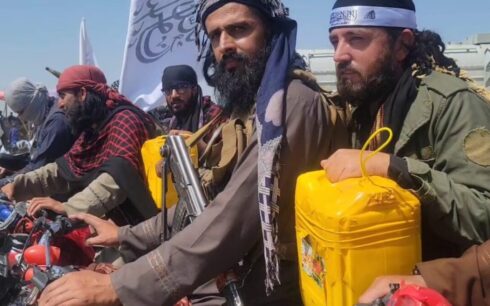
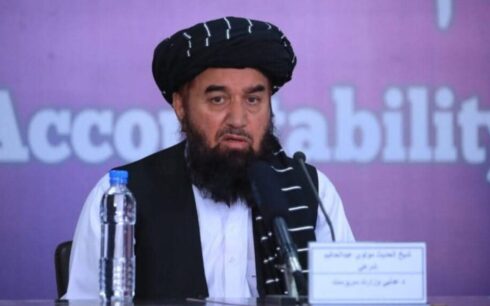
His report comes at a time when some countries are weighing whether to increase engagement with the Taliban, despite the Taliban’s continuing refusal to meet international human rights standards.